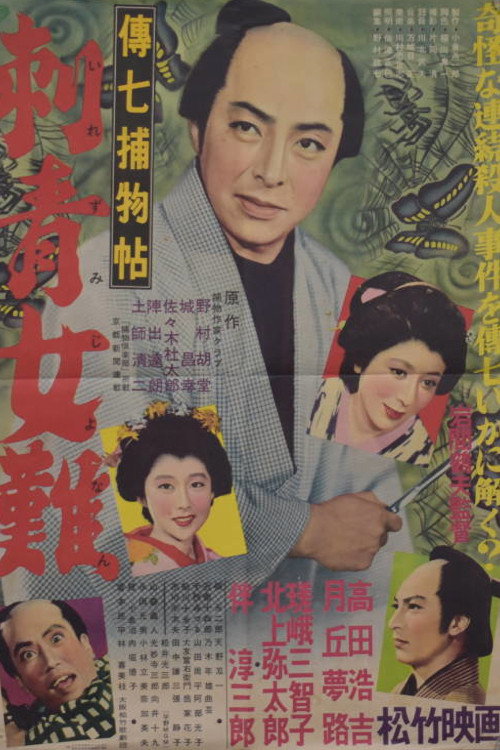
Denshichi Torimonocho: Tattoo Woman Trouble 1954
Step into the Edo-period world of *Denshichi Torimonocho: Tattoo Woman Trouble* (1954), a gripping historical mystery directed by Tsuruo Iwama.
Director: Tsuruo Iwama
Cast
Frequently Asked Questions
What is *Denshichi Torimonocho: Tattoo Woman Trouble* (1954) about?
Set in feudal Japan during the Tokugawa era, the film centers on the murder of a woodcarver as investigator Denhichi digs into Ryogoku's entertainment scene. Discoveries link a nervous clerk, a forbidden romance, and a dagger purchase to a hidden crime, sending the protagonist on a race against unseen enemies.
Who directed *Denshichi Torimonocho: Tattoo Woman Trouble*?
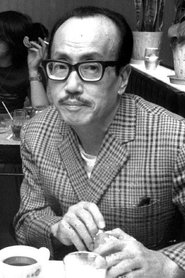
The film was directed by Tsuruo Iwama, a filmmaker known for his atmospheric storytelling in historical dramas of the 1950s.
Who stars in *Denshichi Torimonocho: Tattoo Woman Trouble*?
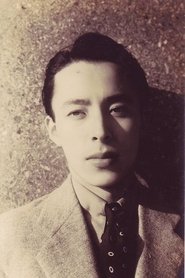
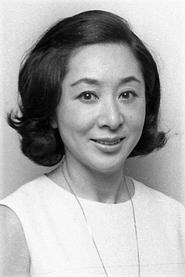
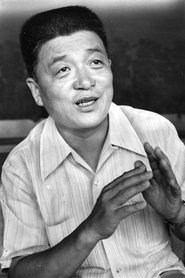
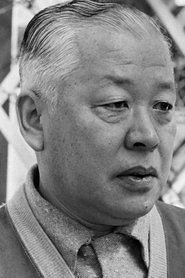
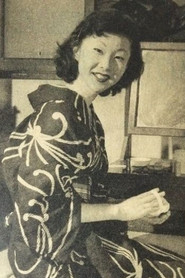
The cast features Kōkichi Takada as Denhichi, Yumeji Tsukioka as Otoshi, Junzaburō Ban as Take, Kokinji Katsura as Inosuke, and Yoshito Yamaji as Bunzaemon.
Is *Denshichi Torimonocho: Tattoo Woman Trouble* (1954) worth watching?
Though unrated on IMDb, this Edo-era mystery offers rich atmosphere, tight plotting, and strong period detail—ideal for fans of classic Japanese crime dramas. Its blend of romance and intrigue makes it a compelling watch for enthusiasts of historical suspense.
How long is *Denshichi Torimonocho: Tattoo Woman Trouble*?
The film runs for 99 minutes.
About Denshichi Torimonocho: Tattoo Woman Trouble (1954) — Edo-period mystery with a deadly love triangle
Step into the Edo-period world of *Denshichi Torimonocho: Tattoo Woman Trouble* (1954), a gripping historical mystery directed by Tsuruo Iwama. The film follows the sharp-eyed investigator Denhichi as he delves into a chilling murder that strikes at the heart of Ryogoku's bustling entertainment district. With tensions simmering between love triangles, secret rivalries, and a dagger-purchasing clerk hiding darker motives, every clue unravels another layer of intrigue. The atmosphere crackles with suspense, blending feudal Japan's shadows with the vibrant pulse of its underworld.
At its core, this Edo-era tale explores betrayal, obsession, and justice, wrapped in the stylish tension of 1950s Japanese jidaigeki cinema. Iwama's direction weaves together a complex web of connections—tying an acrobat's shadowed past to a clerk's desperate love affair—all while Denhichi navigates the neon-lit alleys and teahouses of a society on the brink of change.