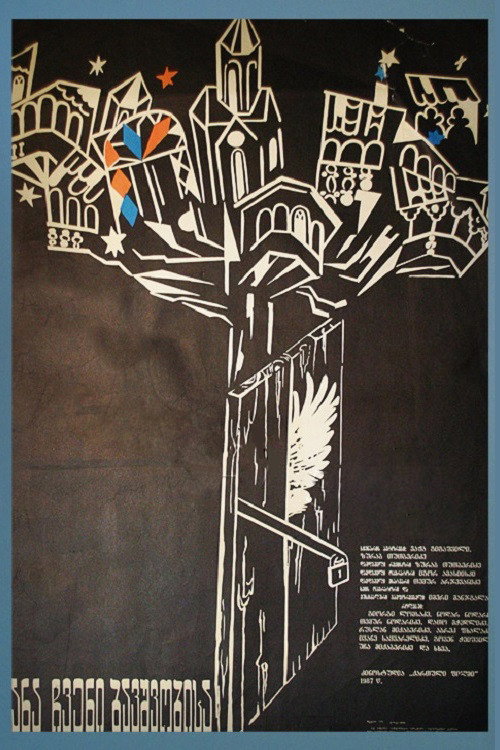
Time of Our Childhood 1987
Georgian director Zurab Tutberidze's 1987 drama Time of Our Childhood captures the simple yet profound rhythms of childhood during World War II in Tbilisi's communal courtyards.
Director: Zurab Tutberidze
Cast



Frequently Asked Questions
What is Time of Our Childhood (1987) about?
This Georgian family drama follows young children navigating daily life in Tbilisi during World War II, where communal courtyards become the stage for resilience, discovery, and small acts of courage. Through their eyes, the film captures the interplay of innocence and hardship in extraordinary times.
Who directed Time of Our Childhood?
The film was directed by Zurab Tutberidze, a Georgian filmmaker known for his intimate portrayals of everyday life and family dynamics during turbulent periods.
Who stars in Time of Our Childhood?
The film's young ensemble includes Giorgi Lomsadze, Nodar Nodaridze, Temur Nodaridze, Dato Mchedlidze, and Ivane Sakvarelidze, each bringing vivid energy to their roles.
Is Time of Our Childhood (1987) worth watching?
While the IMDb rating is unrated, its dramatic focus on family and childhood during war offers a poignant, character-driven experience. Fans of intimate historical dramas will appreciate its authentic atmosphere and emotional honesty.
How long is Time of Our Childhood?
The movie runs 68 minutes, making it a concise yet immersive viewing experience perfect for a focused session.
Time of Our Childhood (1987): Wartime Childhood in Tbilisi's Communal Heart — Full Movie Info
Georgian director Zurab Tutberidze's 1987 drama Time of Our Childhood captures the simple yet profound rhythms of childhood during World War II in Tbilisi's communal courtyards. Through the eyes of young protagonists—played by Giorgi Lomsadze and Nodar Nodaridze—the film explores how wartime scarcity and adult anxieties ripple through everyday play, family routines, and small neighborhood triumphs. The director balances lighthearted youthful energy with unspoken tensions, painting a slice-of-life portrait that feels both nostalgic and quietly urgent.
Set against a backdrop of rationed bread and distant radio bulletins, the movie transforms ordinary streets and stairwells into stages for resilience and discovery. Its family-drama roots shine through the relationships between kids and elders—each moment brimming with warmth, humor, and an undercurrent of war's shadow. Tutberidze crafts a tender, human-scale story where the biggest battles are fought not on distant fronts, but in the hearts of children learning what it means to grow up before their time.