Kavka 1977
Step into the heart of a 1970s Czechoslovakian village with *Kavka (1977)*, a poignant family drama directed by Zora Bachnárová.
Director: Zora Bachnárová
Cast

Frequently Asked Questions
What is Kavka (1977) about?
*Kavka* is a tender portrait of life in a 1970s Czechoslovakian village, where a young girl navigates the complexities of family, friendship, and first love. Her journey intertwines with those of her neighbors, revealing how ordinary people find strength in unexpected places. The film captures the beauty and hardship of everyday life with a gentle, observant eye.
Who directed Kavka?
The film was directed by Zora Bachnárová, a filmmaker known for her intimate and character-focused storytelling in Czechoslovakian cinema.
Who stars in Kavka?
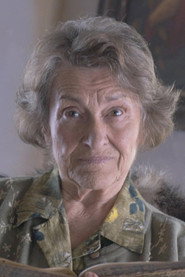
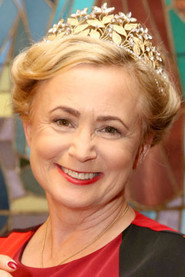
The cast includes Žofia Martišová in the lead role, alongside Jana Nagyová Pulm, Ľubica Konrádová, Katarína Katušová, and Rudolf Kraus.
Is Kavka (1977) worth watching?
*Kavka* may not be widely known, but its quiet charm and authentic portrayal of family life make it a rewarding experience for fans of classic dramas. The film's focus on universal themes—like resilience and connection—gives it an enduring appeal, even decades after its release. While it isn't rated on IMDb, its heartfelt storytelling speaks for itself.
How long is Kavka?
Runtime details are not listed.
Kavka (1977): A Hidden Czechoslovakian Family Drama — Full Movie Info
Step into the heart of a 1970s Czechoslovakian village with *Kavka (1977)*, a poignant family drama directed by Zora Bachnárová. This quietly powerful film unfolds through the eyes of young Žofia Martišová, whose eyes reflect the quiet struggles and small triumphs of growing up in a world where tradition and change collide. The story weaves together the lives of her neighbors—played with depth by Jana Nagyová Pulm, Ľubica Konrádová, and Katarína Katušová—each facing their own battles behind closed doors. With a tone that balances warmth and melancholy, the film captures the essence of everyday heroism, where love and resilience are tested in the most ordinary moments.
Bachnárová's direction infuses the narrative with a timeless quality, grounding the drama in authenticity while exploring universal themes of family bonds and the passage of time. The atmosphere is one of hushed intimacy, where every glance and gesture carries weight, and the rural setting becomes a character itself. *Kavka (1977)* may not shout for attention, but its gentle power lingers long after the final scene, making it a hidden gem for fans of character-driven storytelling.