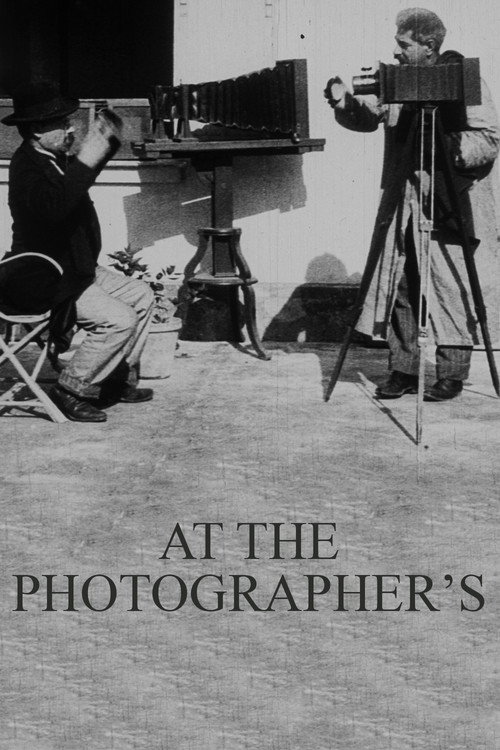
At the Photographer's 1900
At the Photographer's (1900) offers a brief but charming glimpse into early cinematic storytelling, crafted by pioneering filmmaker Alice Guy-Blaché.
Director: Alice Guy-Blaché
Frequently Asked Questions
What is At the Photographer's (1900) about?
The film follows a humorous encounter where a client cannot seem to follow the photographer's directions during a portrait session, leading to comedic confusion and mishaps that highlight the universal challenges of communication and cooperation.
Who directed At the Photographer's?
Alice Guy-Blaché directed this early comedy short, making her one of the first female filmmakers in cinema history and a significant pioneer in narrative filmmaking.
Who stars in At the Photographer's?
The main cast members are not documented in available records, though the film features performers typical of early 1900s silent cinema productions.
Is At the Photographer's (1900) worth watching?
While unrated on IMDb, this comedy is historically valuable for its pioneering director and insight into early filmmaking techniques. Its brief runtime makes it an easy watch for film enthusiasts interested in cinematic origins.
How long is At the Photographer's?
The film runs for approximately 1 minute, typical of early silent film productions that often featured brief, single-scenario narratives.
At the Photographer's (1900) — Early Silent Comedy Masterpiece
At the Photographer's (1900) offers a brief but charming glimpse into early cinematic storytelling, crafted by pioneering filmmaker Alice Guy-Blaché. This one-minute comedy captures a simple yet relatable scenario: a client who struggles to follow the photographer's directions during what should be a straightforward session. The film's brevity doesn't diminish its appeal—it showcases the foundational humor and human observation that would become staples of the medium.
Shot in the nascent era of cinema, the short presents a delightful slice of turn-of-the-century life with gentle comedic timing. Guy-Blaché's direction demonstrates an intuitive understanding of visual gags and situational comedy, making the most of the limited runtime. The unknown cast delivers performances that feel authentic to the period, capturing the universal frustration and absurdity of miscommunication.
This early comedy serves as both entertainment and historical artifact, representing the experimental spirit of 1900s filmmaking. Its themes of human folly and everyday mishaps resonate across time, offering modern audiences a fascinating look at how storytelling evolved in those pioneering days of cinema.