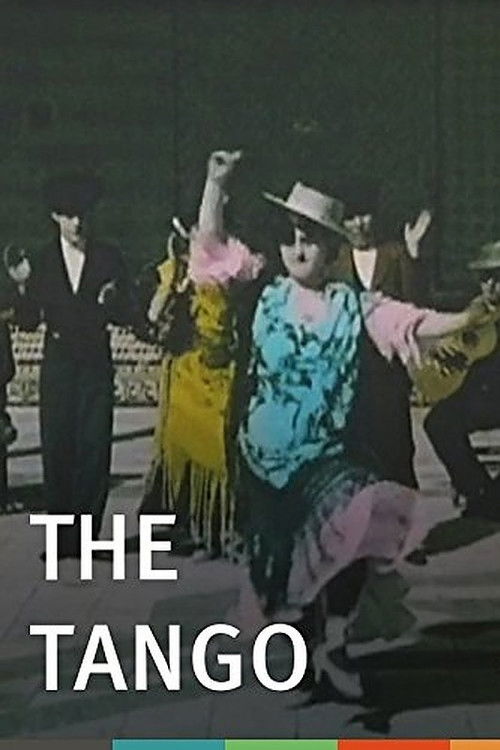
Tango 1905
Step into the dawn of cinema with *Tango (1905)*, one of the earliest surviving films in history, crafted by pioneering director Alice Guy-Blaché.
Director: Alice Guy-Blaché
Frequently Asked Questions
What is Tango (1905) about?
This short silent film features a single woman performing the tango, showcasing early 1900s dance styles and the cinematic techniques of the era. It's a snapshot of cultural history, frozen in time for modern audiences to discover.
Who directed Tango?
Alice Guy-Blaché, a trailblazing filmmaker often credited as the first female director in cinema history, guided the creation of *Tango (1905)*. Her work in this era helped shape the language of early filmmaking.
Who stars in Tango?
The film's cast is not officially documented, but it features a solitary performer demonstrating the tango, likely a dancer or studio recruit chosen for the shoot.
Is Tango (1905) worth watching?
While *Tango (1905)* is more of a historical curiosity than a narrative masterpiece, its significance as one of the earliest films makes it worth a watch for cinema buffs. Its brevity and vintage charm offer a unique window into the past, even if it lacks modern entertainment value.
How long is Tango?
The runtime for *Tango (1905)* is approximately 2 minutes.
About Tango (1905) — Alice Guy-Blaché's Pioneering Silent Film Captures a Forgotten Tango Dance
Step into the dawn of cinema with *Tango (1905)*, one of the earliest surviving films in history, crafted by pioneering director Alice Guy-Blaché. This brief but groundbreaking documentary captures a solitary performance of the sensual tango, offering a glimpse into early 20th-century dance culture and the birth of motion pictures as an art form. Shot in just two minutes, the film immerses viewers in the era's elegance and rhythm, blending visual storytelling with a touch of exoticism. Though shot over a century ago, its minimalist charm and historical significance make it a fascinating artifact for film enthusiasts and historians alike. The film's raw energy contrasts sharply with modern productions, yet it laid the foundation for narrative cinema as we know it.
As one of the first films ever made, *Tango (1905)* stands as a testament to Alice Guy-Blaché's innovative spirit, predating many of her male contemporaries. The simplicity of the premise—a dancer performing a single dance—belies its cultural impact, serving as a bridge between vaudeville traditions and the evolving language of silent film. Its grainy, hand-cranked aesthetic evokes nostalgia while reminding us of cinema's humble origins.