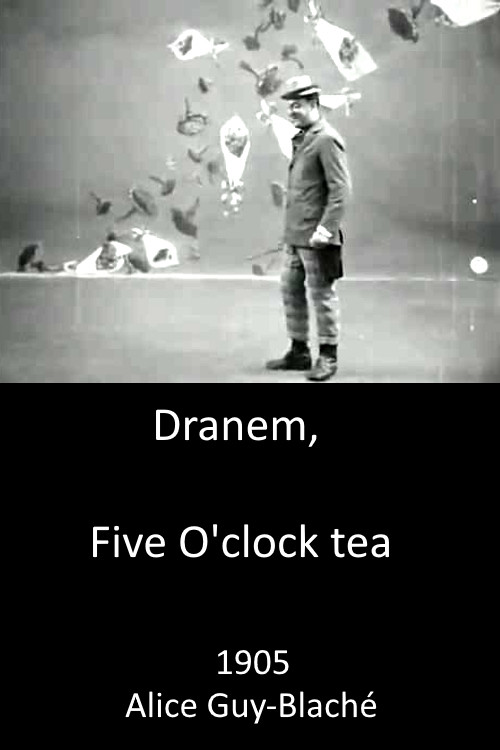
Dranem Performs "Five O'Clock Tea" 1906
Dive into the earliest days of cinema with *Dranem Performs "Five O'Clock Tea"* (1906), a charming 2-minute musical snapshot from the silent era.
Director: Alice Guy-Blaché
Cast
Frequently Asked Questions
What is *Dranem Performs "Five O'Clock Tea"* (1906) about?
This short film captures French entertainer Dranem performing a lighthearted musical number in the early silent film era. Directed by Alice Guy-Blaché, it offers a snapshot of 1900s cabaret culture framed by pioneering cinema techniques.
Who directed *Dranem Performs "Five O'Clock Tea"*?
The film was directed by Alice Guy-Blaché, a trailblazer in early cinema and one of the first female filmmakers in history.
Who stars in *Dranem Performs "Five O'Clock Tea"*?
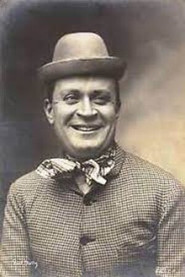
The sole credited performer is Dranem, a French singer and comedian whose stage presence shines in this short film.
Is *Dranem Performs "Five O'Clock Tea"* (1906) worth watching?
While it's a brief silent-era documentary-musical, its historical value and glimpse into early performance art make it a fascinating watch for film historians and silent cinema enthusiasts.
How long is *Dranem Performs "Five O'Clock Tea"*?
The film runs for approximately 2 minutes.
About Dranem Performs "Five O'Clock Tea" (1906) — A Peek into Early Cinema's Musical Roots
Dive into the earliest days of cinema with *Dranem Performs "Five O'Clock Tea"* (1906), a charming 2-minute musical snapshot from the silent era. Directed by the pioneering Alice Guy-Blaché, this short film captures the French entertainer Dranem delivering a lighthearted performance in a bygone cabaret style. The documentary-musical hybrid offers a glimpse into early 20th-century entertainment, blending whimsy with the novelty of moving pictures. With its crisp atmosphere and historical significance, this micro-film stands as a testament to the burgeoning art of filmmaking.
Though brief, *Dranem Performs "Five O'Clock Tea" (1906)* is a fascinating relic for cinephiles and casual viewers alike. The film's simplicity underscores its charm, evoking the elegance of Parisian vaudeville and the playful energy of a bygone performance tradition. Guy-Blaché's direction subtly frames Dranem's charisma, making this a must-see for fans of early cinema or anyone curious about the evolution of visual storytelling.