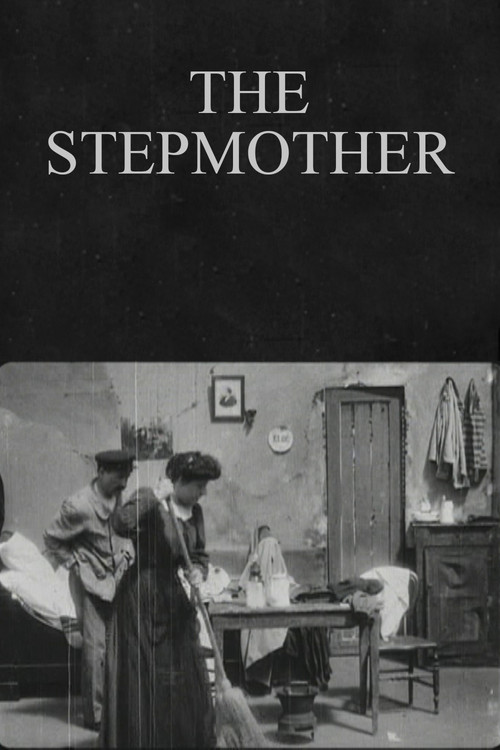
The Stepmother 1906
Step into the silent-era drama "The Stepmother (1906)" directed by pioneering filmmaker Alice Guy-Blaché, where a young boy faces harsh treatment from his stepmother whenever his father steps away.
Director: Alice Guy-Blaché
Frequently Asked Questions
What is The Stepmother (1906) about?
This six-minute silent film follows a young boy who endures mistreatment at the hands of his stepmother whenever his father is absent. The story unfolds as a stark exploration of family tension, where duty clashes with compassion and power dynamics play out in everyday moments.
Who directed The Stepmother?
The Stepmother was directed by Alice Guy-Blaché, a trailblazing pioneer in early cinema whose innovative storytelling left a lasting mark on film history.
Who stars in The Stepmother?
The Stepmother (1906) features an unknown cast, as was typical for silent-era shorts; the focus remains on its emotional narrative rather than star power.
Is The Stepmother (1906) worth watching?
Though unrated on IMDb, The Stepmother's historical significance and its concise, dramatic portrayal of stepfamily conflict make it a compelling watch for fans of early cinema and silent-era storytelling. Its brevity and thematic depth offer a unique glimpse into the evolution of familial drama on screen.
How long is The Stepmother?
The Stepmother is a six-minute short film, a typical runtime for early silent-era productions.
🎥 Trailer
About The Stepmother (1906) — Alice Guy-Blaché's Silent Drama of Stepfamily Conflict
Step into the silent-era drama "The Stepmother (1906)" directed by pioneering filmmaker Alice Guy-Blaché, where a young boy faces harsh treatment from his stepmother whenever his father steps away. This six-minute short film captures the emotional weight of family dynamics through stark contrasts—innocence betrayed, cruelty masked by duty—all unfolding in a minimalist visual style that underscores the era's storytelling simplicity. The atmosphere simmers with tension as everyday moments become charged with unspoken resentment, offering a raw snapshot of early cinematic narrative. Though sparse in dialogue, the film's themes of parental authority and childhood vulnerability resonate powerfully, reflecting societal attitudes of the time.
As one of the earliest explorations of stepfamily conflict on screen, "The Stepmother (1906)" stands as both a historical artifact and a poignant character study. Its brevity belies its impact, leaving viewers to ponder the unseen layers of its characters' strained relationships. A testament to Guy-Blaché's directorial vision, the film blends drama with a quiet urgency, inviting modern audiences to reflect on how far—or how little—these themes have evolved in family dynamics today.