Een oude vriend van het Chinese volk 2008
Dutch master filmmaker René Seegers dives into the extraordinary life and legacy of Joris Ivens in *Een oude vriend van het Chinese volk* (2008), a compelling 53-minute documentary that shines a light on one of the most fascinating chapters in cinema history.
Director: René Seegers
Cast
Frequently Asked Questions
What is *Een oude vriend van het Chinese volk* (2008) about?
This documentary explores the life and legacy of Dutch filmmaker Joris Ivens, who earned China's highest honor for his role in documenting Mao Zedong and the Cultural Revolution. Through archival footage, it examines the complex relationship between art, propaganda, and historical memory.
Who directed *Een oude vriend van het Chinese volk*?
The film was directed by René Seegers, a Dutch filmmaker known for his insightful documentaries on historical and cultural themes.
Who stars in *Een oude vriend van het Chinese volk*?
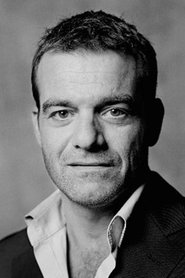
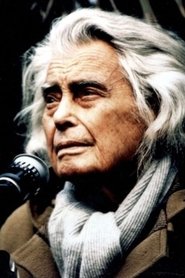
The documentary features Jeroen Willems and Joris Ivens as central figures, along with archival appearances of Mao Zedong.
Is *Een oude vriend van het Chinese volk* (2008) worth watching?
As an unrated but thoughtful documentary, it offers a rare glimpse into a key moment in film and political history. While not widely known, it's ideal for viewers interested in documentary cinema or 20th-century Chinese history.
How long is *Een oude vriend van het Chinese volk*?
The film runs for 53 minutes.
About Een oude vriend van het Chinese volk (2008) — How a filmmaker's camera shaped Mao-era history
Dutch master filmmaker René Seegers dives into the extraordinary life and legacy of Joris Ivens in *Een oude vriend van het Chinese volk* (2008), a compelling 53-minute documentary that shines a light on one of the most fascinating chapters in cinema history.
Ivens, a trailblazer who earned China's highest honor as an 'Old Friend of the Chinese People,' played a pivotal role in capturing Mao Zedong's early public appearances on film. His most ambitious work, the twelve-hour epic *Hoe Yukong de bergen verzette*, became both a testament to Mao's Cultural Revolution and a later source of controversy as the regime itself reevaluated its past. Through archival footage and thoughtful reflection, Seegers crafts a portrait of artistic idealism, political complexity, and the paradox of propaganda—mixing reverence with critical distance. The film pulses with historical weight, offering viewers a glimpse into the intersection of cinema, ideology, and international relations.
Whether you're a fan of documentary cinema or fascinated by 20th-century political history, this short yet rich film delivers a unique look at a filmmaker whose work continues to provoke debate decades later.