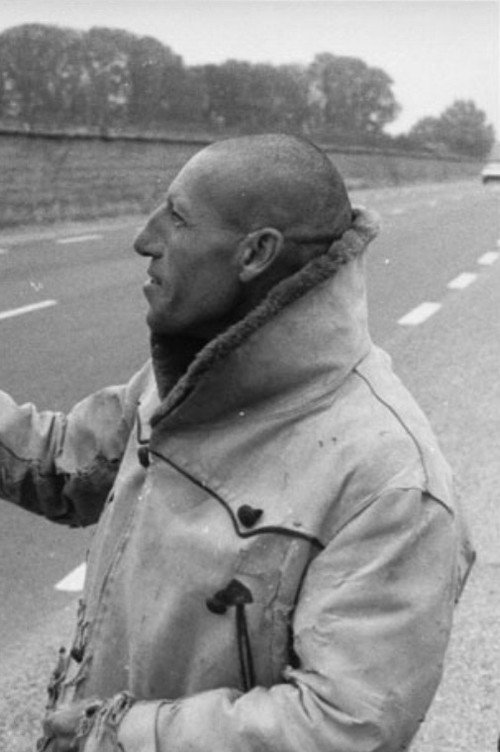
Devant le mur 1987
In *Devant le mur (1987)*, director Daisy Lamothe crafts a contemplative documentary that traces the journey of Paul, a man whose life unfolds against the austere backdrop of a monastery.
Director: Daisy Lamothe
Frequently Asked Questions
What is *Devant le mur* (1987) about?
The film follows Paul's life as it converges on a pivotal moment—a sign—after he leaves the monastery where he once sought solitude. Daisy Lamothe's documentary explores themes of departure, identity, and the quiet moments that redefine our paths.
Who directed *Devant le mur*?
Daisy Lamothe directed *Devant le mur*, crafting a visually restrained yet deeply thematic documentary about life's transformative junctures.
Who stars in *Devant le mur*?
Cast information for *Devant le mur* (1987) is not available in public records.
Is *Devant le mur* (1987) worth watching?
As a documentary, *Devant le mur* offers a thoughtful, atmospheric experience for viewers who appreciate slow-burn storytelling and thematic depth. While its unrated status limits broad comparisons, its focus on singular moments makes it a compelling choice for fans of introspective cinema.
How long is *Devant le mur*?
Runtime details for *Devant le mur* (1987) are not listed.
About Devant le mur (1987) — A Documentary on Life's Unseen Turning Points
In *Devant le mur (1987)*, director Daisy Lamothe crafts a contemplative documentary that traces the journey of Paul, a man whose life unfolds against the austere backdrop of a monastery. The film strips away convention to focus on a single, arresting moment—a sign—that becomes the pivot of his existence, symbolizing departure, transformation, and the search for meaning. Through minimalist storytelling and atmospheric visuals, Lamothe invites viewers to ponder the quiet revolutions that reshape lives, blending introspection with a sense of quiet urgency.
This evocative work belongs to the documentary genre, offering more than a linear narrative; it's a meditation on faith, solitude, and the thresholds we cross. The sparse yet deliberate direction allows the film's themes to resonate deeply, creating an experience that lingers long after the final frame. Whether you're drawn to cinema as a mirror of human experience or simply admire directors who defy expectations, *Devant le mur (1987)* stands as a testament to the power of understatement in storytelling.