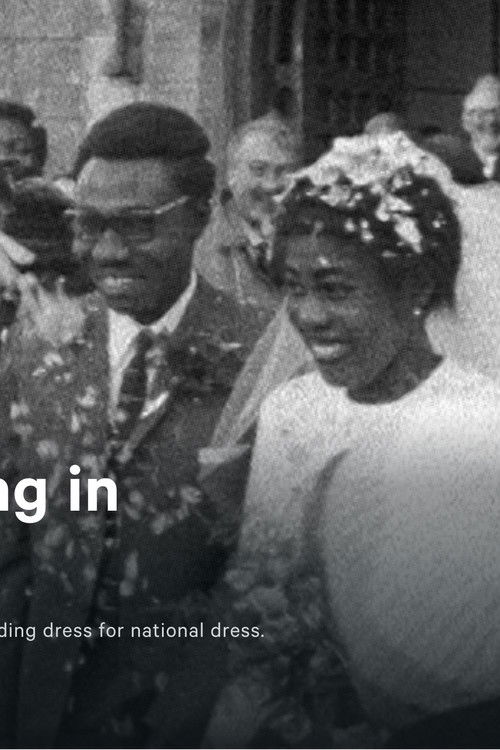
Nigerian Wedding in Cornwall 1964
Step back to 1964 and experience a fleeting yet unforgettable slice of British social history captured in *Nigerian Wedding in Cornwall (1964)*.
Frequently Asked Questions
What is Nigerian Wedding in Cornwall (1964) about?
This short documentary captures the wedding of a Nigerian couple in Redruth, Cornwall, in 1964. The film highlights their blend of British and traditional attire, showcasing a moment of cultural exchange and joy during a transformative social era.
Who directed Nigerian Wedding in Cornwall?
Director information is not available.
Who stars in Nigerian Wedding in Cornwall?
The main subjects are the Nigerian bride and groom, whose identities and roles are not listed in available records.
Is Nigerian Wedding in Cornwall (1964) worth watching?
As a historical curiosity, *Nigerian Wedding in Cornwall* offers a unique one-minute window into 1960s multicultural Britain. While not a narrative film, its cultural and historical resonance makes it intriguing for students of social history and film preservationists.
How long is Nigerian Wedding in Cornwall?
The film runs for 1 minute.
About Nigerian Wedding in Cornwall (1964) — A Rare 1964 Glimpse of Love and Tradition in Post-War Britain
Step back to 1964 and experience a fleeting yet unforgettable slice of British social history captured in *Nigerian Wedding in Cornwall (1964)*. This ultra-short documentary transports viewers to Redruth, Cornwall, where a joyous, culturally blended wedding unfolds between a Nigerian couple honoring both British traditions and West African heritage. In just sixty seconds, the film frames a moment of warmth and unity, blending lace veils with dashikis and hymns with drumbeats, all against the backdrop of post-war Britain's growing multicultural landscape.
Though brief, the documentary radiates a celebratory atmosphere that lingers, offering a micro-portrait of integration and love across cultures at a time when such moments were rarely preserved on film. As a historical artifact, it stands as a subtle witness to the quiet shifts reshaping British society, where identity and tradition meet in quiet celebration.