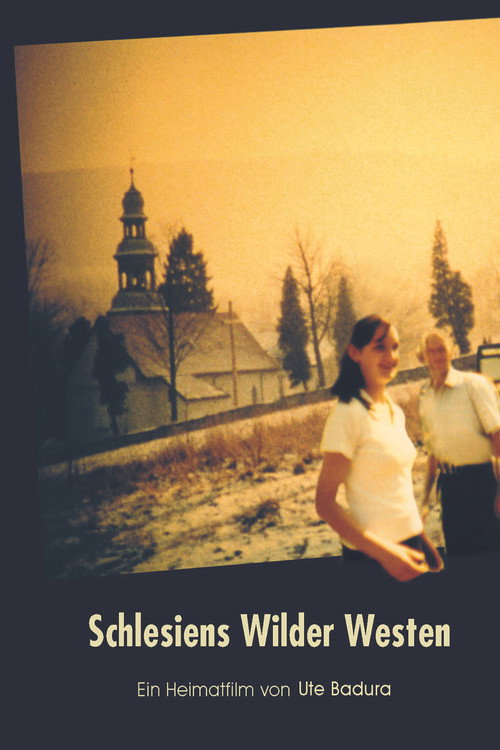
Schlesiens Wilder Westen 2002
Schlesiens Wilder Westen (2002), directed by Ute Badura, is a compelling documentary that explores the complex history of Kopaniec, a village in Lower Silesia once known as Seifershau.
Director: Ute Badura
Frequently Asked Questions
What is Schlesiens Wilder Westen (2002) about?
This documentary by Ute Badura delves into the history of Kopaniec, a village in Lower Silesia, through the lens of its shifting inhabitants. The film examines the expulsion of Germans after World War II and the subsequent resettlement of Poles, many of whom were themselves refugees from Ukraine, and how their stories intersect in this small but meaningful community.
Who directed Schlesiens Wilder Westen?
Schlesiens Wilder Westen was directed by Ute Badura, a filmmaker known for her work in documentary storytelling that explores themes of migration and cultural identity.
Who stars in Schlesiens Wilder Westen?
The film features the voices and stories of Kopaniec's current Polish residents, former German inhabitants, and descendants who have returned to the village, creating a chorus of perspectives on displacement and belonging.
Is Schlesiens Wilder Westen (2002) worth watching?
As a documentary that blends historical depth with personal narratives, Schlesiens Wilder Westen offers a poignant look at how places and people carry the weight of the past. While IMDb doesn't rate it, the film's thoughtful approach and emotional resonance make it compelling for fans of reflective, character-driven documentaries.
How long is Schlesiens Wilder Westen?
Schlesiens Wilder Westen has a runtime of 98 minutes, offering a concise yet immersive viewing experience.
About Schlesiens Wilder Westen (2002) — A documentary unraveling Silesia's layered past and present
Schlesiens Wilder Westen (2002), directed by Ute Badura, is a compelling documentary that explores the complex history of Kopaniec, a village in Lower Silesia once known as Seifershau. The film centers on the village as a bridge between its past and present inhabitants, where the expulsion of Germans and the resettlement of Poles—many of whom were themselves displaced from what is now Ukraine—create a tapestry of shared and fractured identities.
Through intimate portraits of the community, the documentary captures the younger generation of Poles, who have grown up welcoming former German residents back to their ancestral homes. The atmosphere is one of quiet reflection, blending nostalgia with the raw emotions of displacement and belonging. Badura's film doesn't just document history; it brings to life the personal stories that weave together the threads of a region's turbulent past.