In the Low 1946
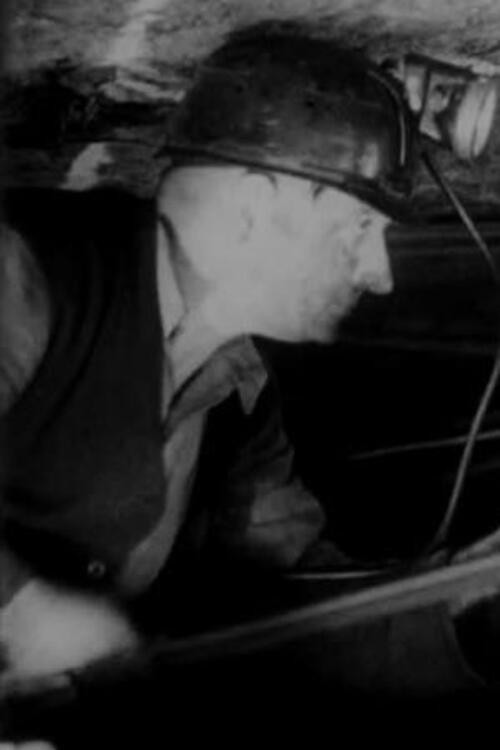
In the Low (1946) takes viewers deep into the gritty heart of industrial Britain, capturing the daily grind of working-class life in the mid-20th century.
Cast
Frequently Asked Questions
What is In the Low (1946) about?
In the Low (1946) documents the daily lives of working-class laborers in northern England, showcasing their relentless efforts in coal mines and workshops. The film captures the physical demands of their work, the camaraderie among workers, and the stark beauty of their industrial surroundings.
Who directed In the Low?
Director information is not available.
Who stars in In the Low?
The film features Lionel Marson as a central figure among the working-class laborers, though the cast is primarily a collective portrait rather than individual stars.
Is In the Low (1946) worth watching?
Though short and unrated, In the Low (1946) offers a compelling, historically significant glimpse into post-war Britain's industrial landscape. Its documentary style and authentic portrayal of labor make it a valuable watch for fans of social realism and 1940s cinema.
How long is In the Low?
In the Low (1946) has a runtime of 20 minutes.
About In the Low (1946) — A Gritty Snapshot of 1940s Industrial Britain
In the Low (1946) takes viewers deep into the gritty heart of industrial Britain, capturing the daily grind of working-class life in the mid-20th century. This short documentary offers a raw, unfiltered glimpse behind the scenes of northern England's workshops and coal mines, where the rhythmic clatter of machinery and the faint glow of miners' lamps set the tone for a story of resilience and hardship. The film's black-and-white aesthetic heightens the sense of authenticity, immersing the audience in the sights and sounds of a world where labor is both a necessity and a way of life. It's a time capsule that preserves the struggles and camaraderie of workers whose efforts powered the nation during a transformative era.
Directed with a documentary lens that prioritizes realism over spectacle, In the Low (1946) belongs to a genre that often goes overlooked but remains vital for understanding social history. The film's focus on the Northumberland coalfields and Gateshead workshops reflects the cultural and economic backbone of post-war Britain, offering a stark contrast to the polished narratives of Hollywood's golden age. While brief, its 20-minute runtime packs a punch, leaving a lasting impression of the dignity and determination found in the unlikeliest of places.