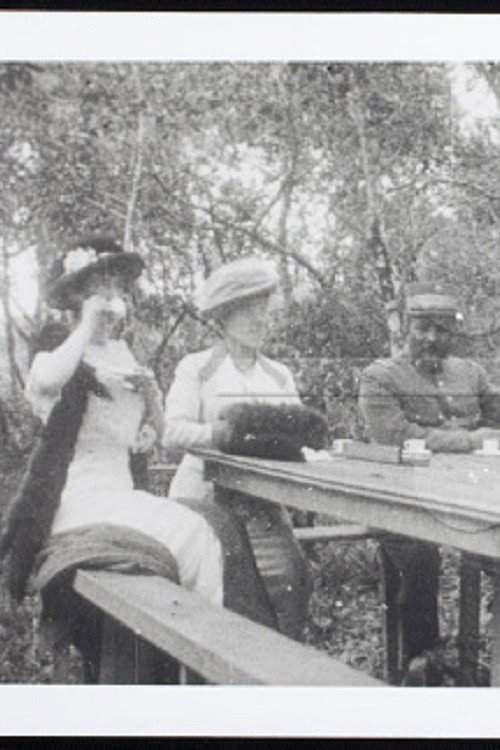
Um domingo em casa de vovô 1916
Capturing a slice of early 20th-century Brazilian family life, *Um domingo em casa de vovô* (1916) transports viewers to a quiet Sunday afternoon under the care of an elder patriarch.
Director: Antonio Campos
Frequently Asked Questions
What is *Um domingo em casa de vovô* (1916) about?
This silent-era documentary paints a vivid portrait of a family spending a Sunday together at their grandfather's home. The film captures intimate moments of conversation, meals, and shared activities that reflect the warmth and simplicity of early 20th-century domestic life.
Who directed *Um domingo em casa de vovô*?
The film was directed by Antonio Campos, a pioneering figure in early Brazilian cinema known for his documentaries that celebrated everyday life.
Who stars in *Um domingo em casa de vovô*?
Cast details for this 1916 documentary are not listed, as was common for silent-era shorts focused on observational storytelling rather than individual performances.
Is *Um domingo em casa de vovô* (1916) worth watching?
As one of Brazil's earliest surviving silent documentaries, it's a rare opportunity to experience cinema's formative years. Its historical value and nostalgic charm make it intriguing for silent film enthusiasts and those interested in early 20th-century culture, though its pacing may not suit modern viewers expecting high-energy narratives.
How long is *Um domingo em casa de vovô*?
Runtime details are not listed for this 1916 short film.
Um domingo em casa de vovô: Portugal's Silent-Era Family Portrait — 1916
Capturing a slice of early 20th-century Brazilian family life, *Um domingo em casa de vovô* (1916) transports viewers to a quiet Sunday afternoon under the care of an elder patriarch. Antonio Campos' documentary short offers an intimate glimpse into domestic routines and generational bonds that defined early cinema's fascination with everyday moments. The film's gentle pacing and candid framing create an atmosphere of nostalgia, highlighting the simplicity and warmth of family gatherings in a bygone era. As one of Brazil's rare surviving silent-era documentaries, it stands as a cultural artifact that reflects both the innocence of its time and the universal appeal of connection across generations.
While the cast remains unnamed, the focus of *Um domingo em casa de vovô* is the collective experience of family, evoking themes of tradition, heritage, and the quiet dignity of ordinary life. The documentary's black-and-white visuals and unhurried rhythm invite modern audiences to pause and appreciate the beauty in these fleeting moments of togetherness. For historians and cinephiles alike, this 1916 gem serves as a window into early filmmaking techniques and the social fabric of its time.