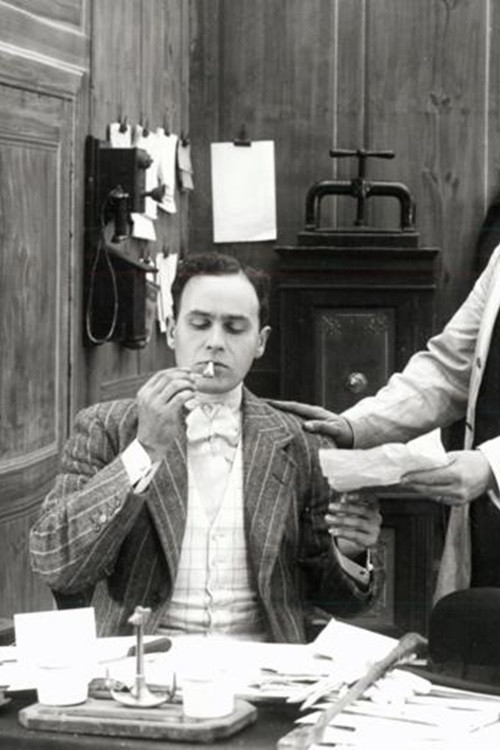
Midsummer-Time 1912
Step into the sunlit turmoil of *Midsummer-Time (1912)*, August Blom's delicate silent-era drama that captures the quiet heartbreak of duty versus desire.
Director: August Blom
Cast
Frequently Asked Questions
What is Midsummer-Time (1912) about?
A merchant's son, Aage, faces financial ruin unless he marries the wealthy Irma. When he meets the spirited Solveig during a midsummer gathering, he's torn between obligation and the awakening of genuine love.
Who directed Midsummer-Time?
The film was directed by August Blom, a pioneer of Danish silent cinema known for his sensitive handling of human drama.
Who stars in Midsummer-Time?
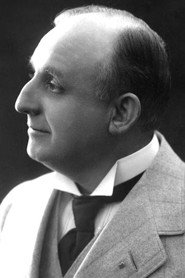
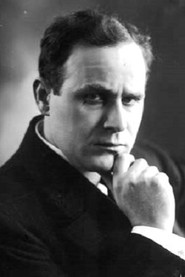
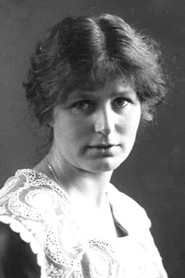
The film features Cajus Bruun, Valdemar Psilander, Augusta Blad, Thorkild Roose, and Johanne Dinesen in key roles.
Is Midsummer-Time (1912) worth watching?
While it's a silent-era short with no IMDb rating, *Midsummer-Time* offers a rare glimpse into early Scandinavian cinema, blending romance, social tension, and atmospheric beauty into a concise 34-minute experience.
How long is Midsummer-Time?
The film runs for 34 minutes.
About Midsummer-Time (1912) — A Silent-Era Romance of Duty vs. Desire
Step into the sunlit turmoil of *Midsummer-Time (1912)*, August Blom's delicate silent-era drama that captures the quiet heartbreak of duty versus desire. Nestled in the languid beauty of a Scandinavian midsummer, the film follows Aage, a merchant's son trapped by financial ruin and the cold embrace of a loveless engagement to Irma, the rich man's daughter. Yet when the season's first dazzling bloom arrives in the form of Solveig, an 18-year-old radiance whose laughter and warmth stir something deep within him, Aage must confront whether tradition and obligation will eclipse the fire of true love. Blom's direction bathes the story in golden light, contrasting the frost of duty with the warmth of fleeting passion, creating an intimate tragedy that lingers like the scent of summer grass.
At its core, *Midsummer-Time* explores the collision between practicality and emotion, set against the backdrop of a time when social expectations weighed heavily on personal happiness. The film's restrained performances—especially from Cajus Bruun as Aage and the luminous Johanne Dinesen as Solveig—elevate the narrative from mere romance to a poignant meditation on sacrifice. Though short at just 34 minutes, it lingers in the mind, a snapshot of an era where love was often measured in gold rather than feeling.