The Gap 1937
Step back to 1937 with *The Gap* (1937), a gripping wartime documentary that dramatizes the call to arms for the Territorial Army. Directed by Donald Carter, this short film captures the patriotic fervor of its era through vivid storytelling and compelling performances. G.H.
Director: Donald Carter
Cast

Frequently Asked Questions
What is The Gap (1937) about?
*The Gap* (1937) dramatizes the mobilization of the Territorial Army in the late 1930s, blending historical urgency with cinematic storytelling. The film follows recruits as they answer the call to service, portraying their training and readiness in a politically charged era.
Who directed The Gap?
Donald Carter directed *The Gap* (1937).
Who stars in The Gap?
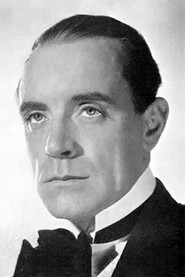
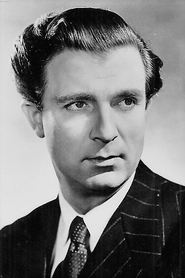
The film stars G.H. Mulcaster, Patric Curwen, Carleton Hobbs, Jack Vyvyan, and Norman Wooland in pivotal roles.
Is The Gap (1937) worth watching?
While *The Gap* (1937) isn't rated on IMDb, its historical significance as a wartime documentary makes it a fascinating watch for students of cinema and history. The film's tight runtime and dramatic flair offer a compelling glimpse into pre-war Britain's spirit of resilience.
How long is The Gap?
*The Gap* (1937) has a runtime of 38 minutes.
About The Gap (1937) — A Wartime Documentary That Inspired a Nation
Step back to 1937 with *The Gap* (1937), a gripping wartime documentary that dramatizes the call to arms for the Territorial Army. Directed by Donald Carter, this short film captures the patriotic fervor of its era through vivid storytelling and compelling performances. G.H. Mulcaster, Patric Curwen, and Carleton Hobbs lead a cast that breathes life into a narrative designed to inspire and mobilize. Blending historical urgency with cinematic flair, *The Gap* delivers a snapshot of pre-war Britain, where duty and courage take center stage. The film's tight 38-minute runtime keeps the momentum high, immersing viewers in a world where every second counts toward national readiness.
A product of its time, *The Gap* serves as both propaganda and art, reflecting the social and political climate of the late 1930s. Its documentary-style approach and dramatic touches create a tense atmosphere, where the line between education and entertainment blurs seamlessly. Whether you're a history buff or a cinema enthusiast, this understated yet powerful film offers a window into an era that shaped modern Britain.