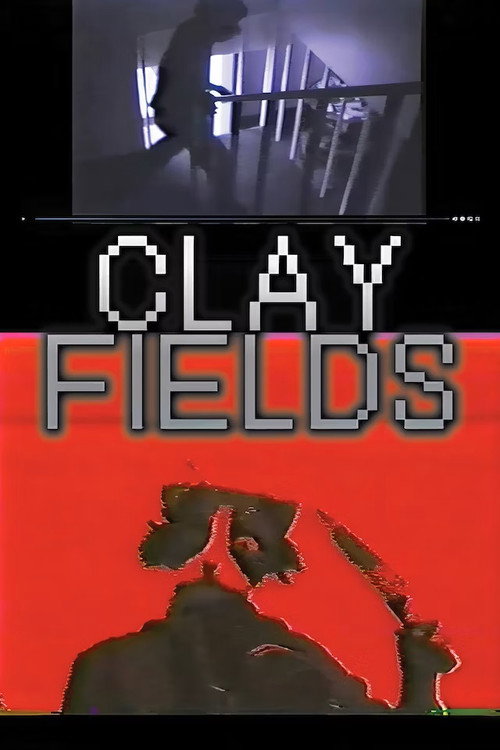
Clay Fields 2003
Step into the unsettling world of *Clay Fields (2003)*, a horror film that unfolds like a ghost story captured on damaged VHS tape. Directed by Ramzi Abed, this chilling found footage experiment plays with time and perspective, revealing a haunting narrative in reverse.
Director: Ramzi Abed
Frequently Asked Questions
What is Clay Fields (2003) about?
This found footage horror film follows a chilling ghost story presented in reverse, where clues and events unfold backward through damaged VHS footage. The narrative explores themes of loss and lingering hauntings, creating an eerie mystery that unravels as it rewinds.
Who directed Clay Fields?
Ramzi Abed is the director behind *Clay Fields (2003)*, known for his work in atmospheric and unconventional horror storytelling.
Who stars in Clay Fields?
The main cast details for *Clay Fields (2003)* are not publicly listed, keeping the focus on the film's haunting visuals and reverse narrative.
Is Clay Fields (2003) worth watching?
While unrated on IMDb, *Clay Fields (2003)* offers a unique found footage experience with its reverse storytelling and eerie atmosphere. Horror fans who enjoy slow-burn, atmospheric films may find it intriguing, though its niche appeal might not suit everyone.
How long is Clay Fields?
The runtime for *Clay Fields (2003)* is 93 minutes.
About Clay Fields (2003) — The Reverse Ghost Story Captured on VHS
Step into the unsettling world of *Clay Fields (2003)*, a horror film that unfolds like a ghost story captured on damaged VHS tape. Directed by Ramzi Abed, this chilling found footage experiment plays with time and perspective, revealing a haunting narrative in reverse. The eerie visuals and atmospheric tension draw viewers into a mystery where past and present collide, leaving audiences questioning what they've witnessed. With its raw, documentary-style approach, the movie immerses you in a story that feels both personal and ghostly, blending supernatural dread with a sense of inevitability.
*Clay Fields (2003)* stands out for its unconventional storytelling, where each frame feels like a clue in a puzzle that rewinds rather than progresses. The film's mood is claustrophobic, its pacing deliberate, and its themes rooted in loss and unresolved trauma. While the cast remains uncredited, the director's vision takes center stage, crafting a horror experience that lingers long after the final scene. Perfect for fans of atmospheric, low-budget horror, this is a movie that rewards patience with its unsettling payoff.