Kanchō umi no bara 1945
Released in the final year of World War II, *Kanchō umi no bara* (1945) is a poignant Japanese drama directed by the visionary Teinosuke Kinugasa.
Director: Teinosuke Kinugasa
Cast
Frequently Asked Questions
What is Kanchō umi no bara (1945) about?
This wartime Japanese drama follows a group of individuals whose lives intertwine as they navigate the challenges of a divided society. At its core, the story centers on love, sacrifice, and the quiet strength found in human connection, all set against the unpredictable backdrop of the sea.
Who directed Kanchō umi no bara?
The film was directed by Teinosuke Kinugasa, a master of visual storytelling known for his ability to blend poetic imagery with stark emotional realism.
Who stars in Kanchō umi no bara?
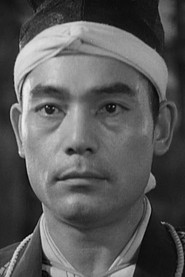
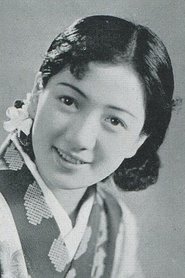
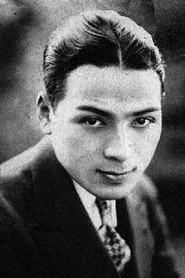
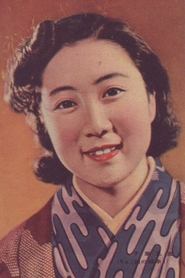
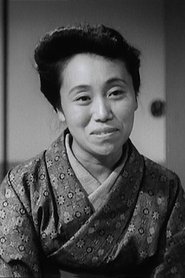
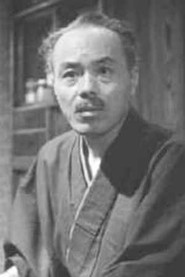
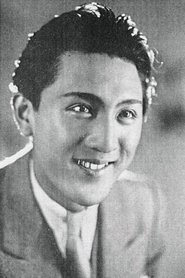
The film features a powerhouse cast including Susumu Fujita, Yukiko Todoroki, Seizaburō Kawazu, Akiko Kazami, and Haruko Sugimura, delivering performances that bring depth to the wartime narrative.
Is Kanchō umi no bara (1945) worth watching?
While lack of an IMDb rating limits concrete data, the film's historical significance and Kinugasa's directorial prowess make it a compelling watch for fans of wartime dramas. Its themes of resilience and human connection transcend its era, offering timeless reflections on adversity.
How long is Kanchō umi no bara?
The runtime for *Kanchō umi no bara* is 90 minutes.
About Kanchō umi no bara (1945) — A Wartime Japanese Drama of Love and Resilience
Released in the final year of World War II, *Kanchō umi no bara* (1945) is a poignant Japanese drama directed by the visionary Teinosuke Kinugasa. Set against the backdrop of a nation grappling with scarcity and uncertainty, the film weaves a tale of resilience, love, and human dignity amid turbulent waters. At its heart, the story follows characters whose lives intersect on the sea, where both literal and metaphorical storms test their bonds. Kinugasa's signature visual storytelling lends the film a haunting, almost poetic atmosphere, blending harsh realism with moments of quiet tenderness. As audiences navigate the film's emotional currents, they're invited to reflect on the fragility of hope in times of adversity.
The ensemble cast, led by Susumu Fujita and Yukiko Todoroki, delivers performances that anchor the film's emotional weight. Fujita, known for his versatile range, brings depth to a protagonist caught between duty and personal longing, while Todoroki's portrayal adds a layer of lyrical grace. Though the genre remains unlisted, the film's dramatic tone and wartime setting align it with historical and romantic narratives of the era. Here, the sea isn't just a setting—it's a character, mirroring the characters' struggles and triumphs. *Kanchō umi no bara* (1945) remains a compelling exploration of human endurance, best experienced on the big screen or through high-quality home viewing.