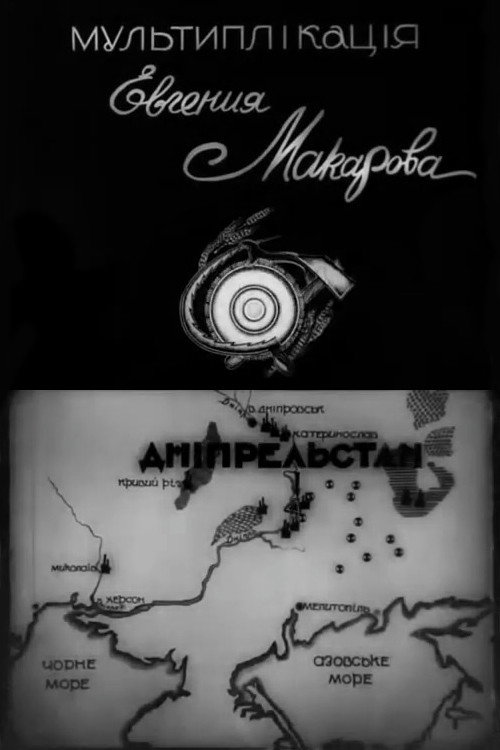
Dniprelstan 1927
Step back to the electrifying dawn of Soviet progress with *Dniprelstan (1927)*, a pioneering five-minute animated short that captures the ambitious spirit of early 20th-century industrialization.
Director: Evhen Makarov
Frequently Asked Questions
What is Dniprelstan (1927) about?
This animated short explores the construction of the Dneprostroi Dam, framing it as a pivotal moment in Soviet industrialization. It highlights the dam's role in electrifying the nation, aligning with Lenin's famous call for 'Communism as Soviet power plus electrification.' Essentially, it's a propaganda-infused celebration of progress through engineering.
Who directed Dniprelstan?
The film was directed by Evhen Makarov, a notable figure in early Soviet animation known for blending artistic innovation with state-aligned themes.
Who stars in Dniprelstan?
Cast details are not available for this short, as *Dniprelstan (1927)* is an animated film without credited performers.
Is Dniprelstan (1927) worth watching?
While *Dniprelstan* isn't widely rated today, its historical and artistic value shines for students of Soviet cinema or animation history. As a five-minute relic of early propaganda techniques, it's more intriguing than entertaining by modern standards—but essential viewing for context.
How long is Dniprelstan?
The film runs for 5 minutes, making it a concise yet impactful snapshot of its era.
🎥 Trailer
Dniprelstan (1927): The Animated Short That Powered Soviet Ambition — Full Movie Info
Step back to the electrifying dawn of Soviet progress with *Dniprelstan (1927)*, a pioneering five-minute animated short that captures the ambitious spirit of early 20th-century industrialization. Directed by the visionary Evhen Makarov, this visually inventive film blends education with propaganda to celebrate the construction of the Dneprostroi Dam—an engineering marvel that brought hydroelectric power to the masses. Through striking animation, the movie illustrates the transformative power of Lenin's electrification vision, painting a hopeful portrait of a nation harnessing nature to fuel its future. The atmosphere is charged with optimism, mingling technical awe with ideological fervor, making it a fascinating artifact of its era's cultural and political landscape.
As one of the earliest Soviet animated works, *Dniprelstan (1927)* stands out for its blend of artistic experimentation and state-sponsored messaging. While the full cast remains a mystery, its historical significance lies in its role as both a technological showcase and a cultural milestone. Today, it offers a glimpse into the intersection of art, science, and ideology, serving as a testament to the era's relentless drive toward modernity.