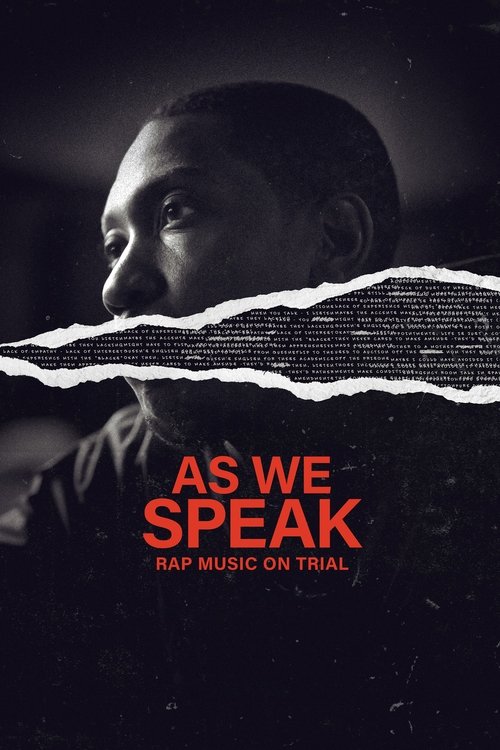
As We Speak: Rap Music on Trial 2024
"Hip Hop takes the stand."
In *As We Speak: Rap Music on Trial (2024)*, Bronx rapper Kemba steps into the eye of a cultural storm, uncovering how rap lyrics are increasingly weaponized in courtrooms across the U.S. and beyond. Director J.M.
Director: J.M. Harper
Cast
Frequently Asked Questions
What is *As We Speak: Rap Music on Trial (2024)* about?
The film follows Bronx rapper Kemba as he investigates how law enforcement has turned rap lyrics into courtroom evidence over the past decades. Through personal stories and interviews with artists like Killer Mike and Bun B, it reveals the chilling impact on creative freedom and racial justice.
Who directed *As We Speak: Rap Music on Trial*?
The documentary is helmed by J.M. Harper, whose work focuses on societal issues and cultural narratives.
Who stars in *As We Speak: Rap Music on Trial*?
The film features prominent voices from the rap community, including Kemba, Killer Mike, Bun B, Mac Phipps, and Glasses Malone.
Is *As We Speak: Rap Music on Trial (2024)* worth watching?
Absolutely—if you're interested in hip-hop culture, social justice, or the intersection of art and law, this documentary delivers a sharp, relevant perspective. While it's unrated on IMDb, its subject matter and high-profile interviewees make it a compelling watch.
How long is *As We Speak: Rap Music on Trial*?
The documentary runs for 95 minutes, offering a concise yet impactful exploration of its themes.
🎥 Trailer
About As We Speak: Rap Music on Trial (2024) — How hip-hop lyrics are reshaping justice
In *As We Speak: Rap Music on Trial (2024)*, Bronx rapper Kemba steps into the eye of a cultural storm, uncovering how rap lyrics are increasingly weaponized in courtrooms across the U.S. and beyond. Director J.M. Harper crafts a gripping documentary that dissects decades of legal battles where creative expression has been twisted into evidence, often targeting Black artists. Through interviews with legends like Killer Mike, Bun B, Mac Phipps, and Glasses Malone, the film paints a raw portrait of an industry fighting for its voice against systemic bias. The atmosphere crackles with urgency, blending courtroom tension with the unfiltered energy of hip-hop culture.
The documentary doesn't just expose flaws—it challenges viewers to question the boundaries between art and accountability. With a runtime of 95 minutes, it's a tight, thought-provoking exploration that feels both timely and timeless.