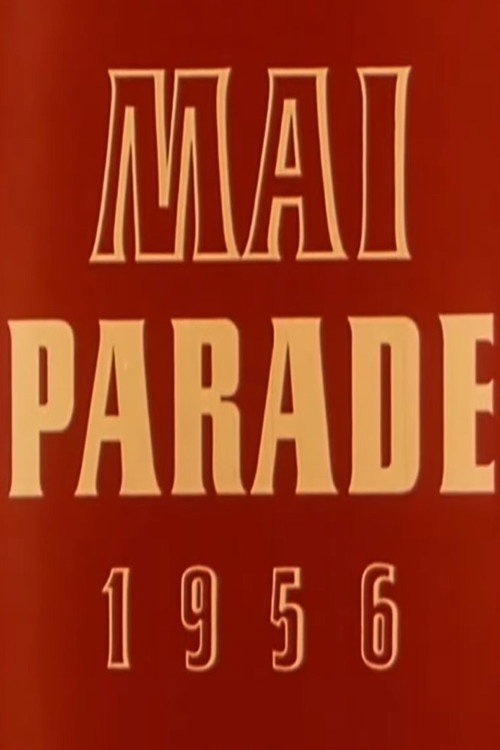
Maiparade 1956 1956
Maiparade 1956 (1956) offers a striking glimpse into a pivotal moment in Cold War history, capturing the solemn flag handover and swearing-in ceremony of the National People's Army on April 30, 1956.
Director: Günter Klein
Cast
Frequently Asked Questions
What is Maiparade 1956 (1956) about?
The film documents the historic flag handover and swearing-in of the first National People's Army unit on April 30, 1956, followed by a May Day parade the next morning. It's a visual record of early East German military formation and state pageantry.
Who directed Maiparade 1956?
The film was directed by Günter Klein, a filmmaker known for his documentary work during East Germany's early years.
Who stars in Maiparade 1956?
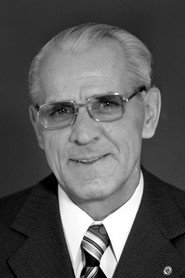
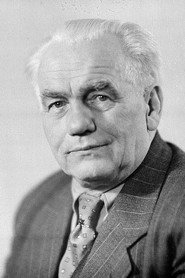
Notable figures in the film include Willi Stoph and Wilhelm Pieck, prominent political and military leaders of the time.
Is Maiparade 1956 (1956) worth watching?
Given its historical significance and brevity, Maiparade 1956 offers valuable insight for Cold War historians and documentary enthusiasts. While not a narrative film, its 14 minutes deliver a powerful snapshot of mid-century state ritual—perfect for educators and researchers.
How long is Maiparade 1956?
The film runs for 14 minutes.
About Maiparade 1956 (1956) — The Cold War's Hidden Ceremony on Film
Maiparade 1956 (1956) offers a striking glimpse into a pivotal moment in Cold War history, capturing the solemn flag handover and swearing-in ceremony of the National People's Army on April 30, 1956. The documentary, directed by Günter Klein, documents the early morning parade of newly formed military units through a lens of ceremonial grandeur and political significance. Framed against the backdrop of post-war East Germany, the film radiates an atmosphere of solemnity and national pride, reflecting the era's charged geopolitical climate. While modest in length at just 14 minutes, its historical weight lies in immortalizing the symbolic birth of a new armed force during the May Day celebrations of 1956.
This short documentary stands as a time capsule of mid-20th-century statecraft, blending officialdom with raw documentary authenticity. Klein's direction frames the proceedings with unflinching precision, turning uniforms, oaths, and marching columns into visual metaphors for authority and renewal. Though modest in scale, Maiparade 1956 (1956) serves as a compelling artifact for historians, film scholars, and anyone fascinated by the intersection of politics and cinema in Cold War-era Europe.