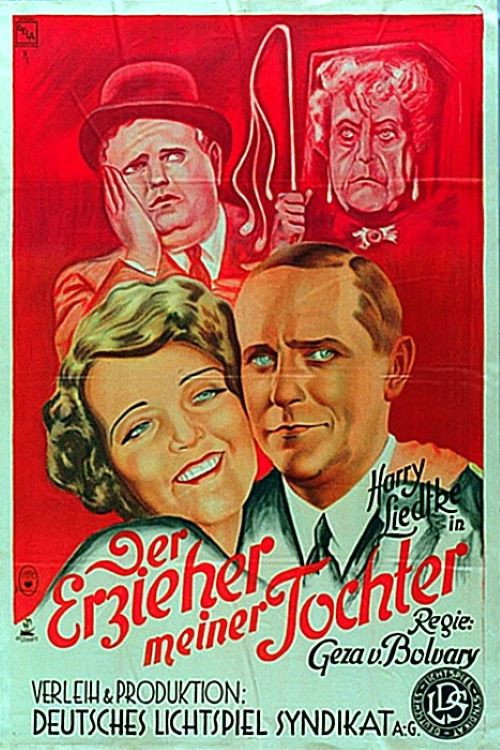
Der Erzieher meiner Tochter 1930
In *Der Erzieher meiner Tochter (1930)*, Géza von Bolváry crafts a witty and heartfelt romantic comedy-drama set against the backdrop of European aristocracy and American ambition.
Director: Géza von Bolváry
Cast



Frequently Asked Questions
What is Der Erzieher meiner Tochter (1930) about?
This 1930 German film follows an American billionaire's daughter who dreams of marrying a count, much to her father's dismay. To shake her aristocratic fantasies, he hires a charming man to pose as a count and guide her through Europe, where romance and deception collide. The story unfolds with humor, heart, and a fairytale-like resolution that challenges class and expectations.
Who directed Der Erzieher meiner Tochter?
The film was directed by Géza von Bolváry, a Hungarian filmmaker known for his work in early European cinema.
Who stars in Der Erzieher meiner Tochter?
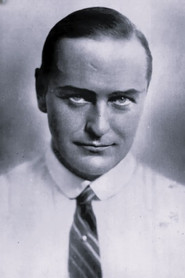
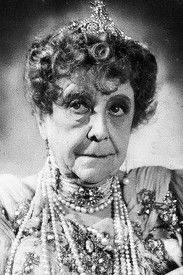
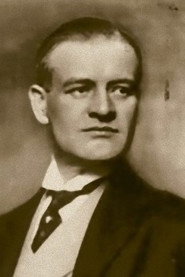
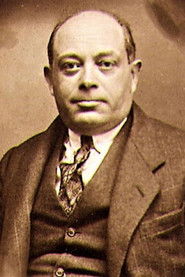
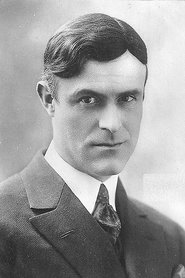
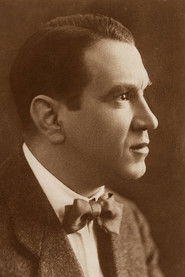
The lead roles are played by Harry Liedtke and Dolly Davis, with Tibor von Halmay, Károly Huszár, and Adele Sandrock rounding out the cast.
Is Der Erzieher meiner Tochter (1930) worth watching?
Though it lacks an IMDb rating, its blend of romance, comedy, and drama makes it a charming watch for fans of classic cinema. The film's themes of love versus social status and its lighthearted yet witty narrative offer an enjoyable glimpse into early 20th-century storytelling. If you appreciate period romances with a clever twist, this one's worth your time.
How long is Der Erzieher meiner Tochter?
The film has a runtime of 79 minutes.
About Der Erzieher meiner Tochter (1930) — A Classic Romance Comedy with a Twist of Deception
In *Der Erzieher meiner Tochter (1930)*, Géza von Bolváry crafts a witty and heartfelt romantic comedy-drama set against the backdrop of European aristocracy and American ambition. The film follows the story of an American billionaire's daughter whose obsession with marrying a count clashes with her father's business-focused plans. To break her aristocratic dreams, he hires the charming Heinz—here posing as Count Rüttow-Mallwitz—to guide her through a European tour and humble her high-society pretenses. As they travel, their connection deepens, but when she uncovers the deception, she storms off to America, leaving Heinz to win her heart all over again during their transatlantic voyage.
Filmed in the golden age of silent cinema's transition to sound, this George-era lighthearted tale blends romance, drama, and humor with a touch of social satire. The characters, brought to life by Harry Liedtke and Dolly Davis, navigate love, identity, and class with a blend of elegance and mischief. The film's tone is playful yet poignant, reflecting the era's fascination with glamour, deception, and second chances in matters of the heart.