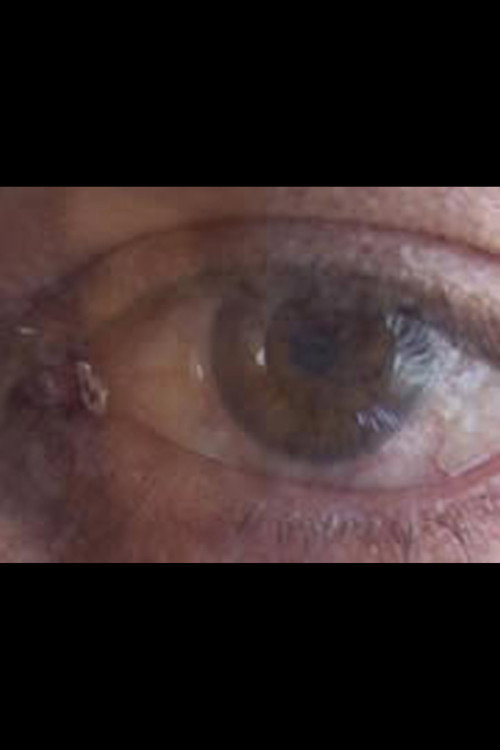
Mon corps vivant, mon corps mort 2003
Ghassan Salhab's early 2000s short film *Mon corps vivant, mon corps mort (2003)* lingers like a poetic elegy on life's fragility and the haunting silence that follows its end.
Director: Ghassan Salhab
Frequently Asked Questions
What is Mon corps vivant, mon corps mort (2003) about?
This 14-minute short film explores the quiet dread and inevitable silence that follows death, blending existential questions with poetic imagery. Director Ghassan Salhab frames mortality not as an ending but as a lingering absence, prompting reflection on what lingers after life.
Who directed Mon corps vivant, mon corps mort?
Ghassan Salhab, the Lebanese filmmaker celebrated for his introspective and visually striking cinema, directed *Mon corps vivant, mon corps mort*.
Who stars in Mon corps vivant, mon corps mort?
Cast details for this short film are not publicly listed.
Is Mon corps vivant, mon corps mort (2003) worth watching?
At just 14 minutes, this short film is a masterclass in atmospheric storytelling, though its abstract nature may not appeal to all viewers. If you appreciate experimental cinema that lingers on existential themes, it's a compelling watch.
How long is Mon corps vivant, mon corps mort?
The film runs for 14 minutes.
About Mon corps vivant, mon corps mort (2003) — Ghassan Salhab's haunting 14-minute meditation on death and existence
Ghassan Salhab's early 2000s short film *Mon corps vivant, mon corps mort (2003)* lingers like a poetic elegy on life's fragility and the haunting silence that follows its end. Clocking in at just 14 minutes, the Lebanese director crafts a meditation on mortality that feels both intimate and universal, echoing Rainer Maria Rilke's timeless question: *What will you do, God, when I die?* The film drifts through themes of loss, memory, and existential reflection, wrapped in an atmosphere that's as stark as it is contemplative.
While details about the cast and genre remain elusive, Salhab's signature sensibility—blending philosophical depth with visual restraint—shines through. The short's brevity doesn't dilute its impact; instead, it amplifies the weight of each frame, leaving audiences to grapple with the unspoken between life and its cessation.