Only Two More to Equal 'W.G.' 1925
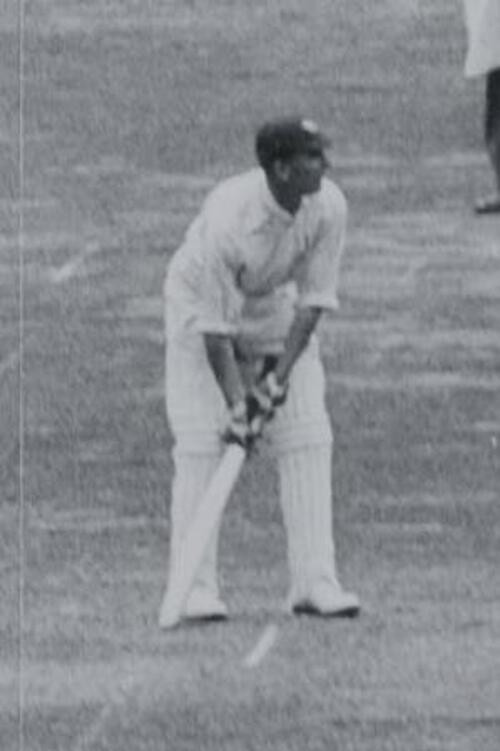
Captured in a fleeting yet historic moment, this 1925 documentary immortalizes cricket legend Jack Hobbs as he steps up to the crease at Lord's during the Gentlemen v Players clash, poised to etch his name deeper into the annals of the sport. At just a single century shy of W.G.
Cast
Frequently Asked Questions
What is Only Two More to Equal 'W.G.' (1925) about?
This short documentary captures a pivotal moment in cricket history as Jack Hobbs, the legendary batsman, reaches his 124th century during a Gentlemen v Players match at Lord's. The film documents his quest to match W.G. Grace's record, offering a rare glimpse into the early 20th-century sporting ethos.
Who directed Only Two More to Equal 'W.G.'?
Director information is not available.
Who stars in Only Two More to Equal 'W.G.'?
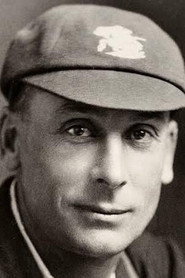
The film features cricket icon Jack Hobbs as the central figure, with the Gentlemen v Players match setting the stage for his historic achievement.
Is Only Two More to Equal 'W.G.' (1925) worth watching?
While this one-minute documentary may not be a modern cinematic spectacle, it holds immense value for cricket enthusiasts and historians. Its brevity is its strength, offering a unique window into the past where every frame feels like a relic of sporting greatness.
How long is Only Two More to Equal 'W.G.'?
The film runs for just 1 minute.
Only Two More to Equal 'W.G.' (1925) — A Glimpse of Cricket's Golden Age in One Minute
Captured in a fleeting yet historic moment, this 1925 documentary immortalizes cricket legend Jack Hobbs as he steps up to the crease at Lord's during the Gentlemen v Players clash, poised to etch his name deeper into the annals of the sport. At just a single century shy of W.G. Grace's monumental record, the atmosphere crackles with anticipation—Hobbs, the batsman in full flow, embodies the golden age of cricket, where every stroke resonates with tradition, precision, and sheer class. The grainy footage, though brief, pulses with nostalgia, transporting viewers to an era when cricket was more than a game; it was a spectacle of gentlemanly prowess and quiet drama.
Though the director's identity remains a mystery, Hobbs' presence alone transforms this one-minute snapshot into a priceless relic, a glimpse into the past where milestones were measured not just in runs but in the legacy they left behind. The film's understated brilliance lies in its simplicity—no fanfare, no embellishment, just the raw essence of a historic achievement unfolding in real time.