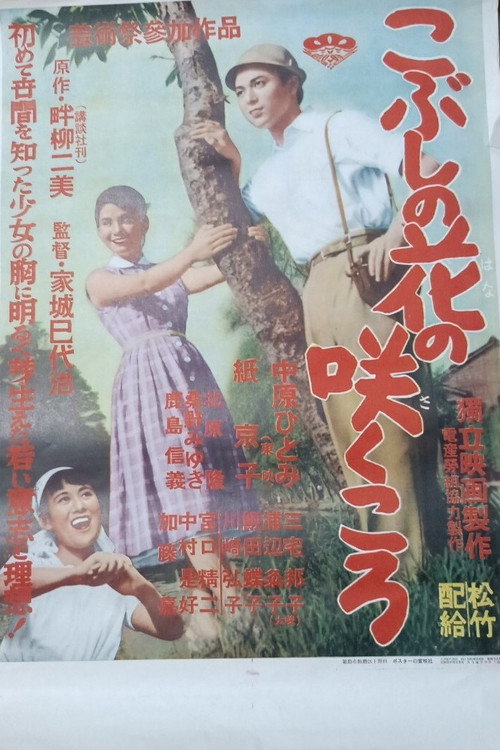
Kobushi no hana no sakukoro 1956
Kobushi no hana no sakukoro (1956) stands as a compelling entry in Japanese cinema's rich dramatic tradition. Directed by Miyoji Ieki, this 105-minute film explores the intricate human emotions and social dynamics that defined post-war Japanese storytelling.
Director: Miyoji Ieki
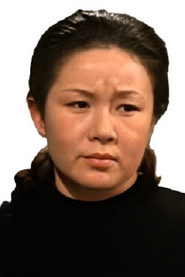
Cast


Frequently Asked Questions
What is Kobushi no hana no sakukoro (1956) about?
This Japanese drama follows characters navigating personal and social challenges in post-war society. The film examines themes of human resilience, family dynamics, and the search for meaning through intimate character-driven storytelling.
Who directed Kobushi no hana no sakukoro?
The film was directed by Miyoji Ieki, a filmmaker known for his contributions to Japanese cinema during the 1950s.
Who stars in Kobushi no hana no sakukoro?
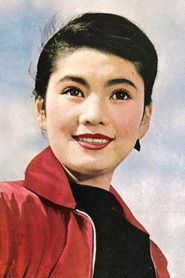
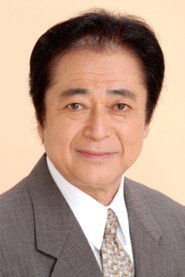
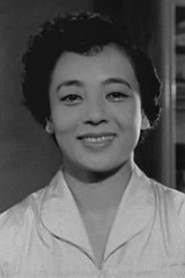
The film features Hitomi Nakahara, Kyoko Kami, Takashi Kitahara, Miyuki Kuwano, Kuniko Miyake, and Toshie Kimura in key roles.
Is Kobushi no hana no sakukoro (1956) worth watching?
As an unrated drama from Japanese cinema's golden era, this film offers valuable insight into 1950s filmmaking and cultural perspectives. Its character-driven narrative and strong ensemble cast make it worthwhile for fans of classic international cinema.
How long is Kobushi no hana no sakukoro?
The film has a runtime of 105 minutes.
About Kobushi no hana no sakukoro (1956) — Classic Japanese Drama Film Details
Kobushi no hana no sakukoro (1956) stands as a compelling entry in Japanese cinema's rich dramatic tradition. Directed by Miyoji Ieki, this 105-minute film explores the intricate human emotions and social dynamics that defined post-war Japanese storytelling. The narrative weaves together themes of personal struggle, familial relationships, and the search for meaning in a changing society, all hallmarks of the era's thoughtful filmmaking approach.
The film features a distinguished ensemble cast led by Hitomi Nakahara and Kyoko Kami, alongside Takashi Kitahara, Miyuki Kuwano, Kuniko Miyake, and Toshie Kimura. Their performances bring depth and authenticity to characters navigating complex emotional terrain. Ieki's direction captures the subtle nuances of Japanese domestic life, creating an atmosphere that is both intimate and universally resonant. This drama exemplifies the contemplative style that made 1950s Japanese cinema so influential worldwide.
For enthusiasts of classic international cinema, Kobushi no hana no sakukoro offers a window into mid-20th century Japanese culture and filmmaking artistry. The film's exploration of human dignity and resilience continues to speak to contemporary audiences seeking meaningful storytelling.