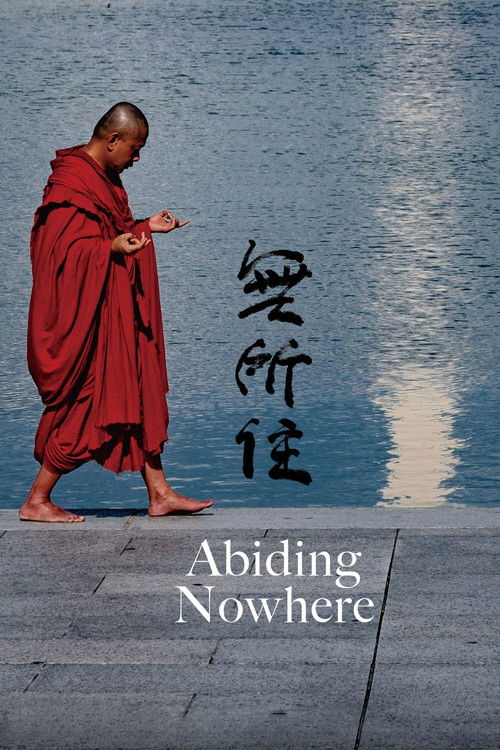
Abiding Nowhere 2024
Taiwanese maestro Tsai Ming-liang crafts *Abiding Nowhere (2024)* as a meditative odyssey following a solitary figure in a crimson robe, gliding barefoot across sun-dappled forests and urban concrete alike. The film drifts between Washington, D.C.
Director: Tsai Ming-liang
Cast

Lee Kang-sheng

Anong Houngheuangsy
Frequently Asked Questions
What is Abiding Nowhere (2024) about?
*Abiding Nowhere* follows a lone figure in a red robe walking barefoot through forests, cities, and iconic landmarks like museums and train stations, marking time as day gives way to night. The journey unfolds like a slow, wordless poem, questioning whether another stranger in the city is following the walker's path or simply passing by.
Who directed Abiding Nowhere?
*Abiding Nowhere* is directed by Taiwanese auteur Tsai Ming-liang, renowned for his contemplative, slow-cinema style and explorations of urban alienation and memory.
Who stars in Abiding Nowhere?
The film stars Lee Kang-sheng as the robed wanderer, alongside Laotian actress Anong Houngheuangsy in a supporting role that heightens the film's themes of displacement and solitude.
Is Abiding Nowhere (2024) worth watching?
Tsai Ming-liang's *Abiding Nowhere* is a masterclass in atmospheric storytelling for fans of slow, meditative cinema and thematic depth. While its pacing demands patience, its visual poetry and existential questions make it a rewarding experience for those seeking something beyond conventional narrative—think *Stalker* meets urban portraiture.
How long is Abiding Nowhere?
*Abiding Nowhere* runs for 79 minutes, a perfect length for a film designed to linger in the mind long after the credits roll.
🎥 Trailer
About Abiding Nowhere (2024) — Tsai Ming-liang's contemplative walk through solitude and architecture
Taiwanese maestro Tsai Ming-liang crafts *Abiding Nowhere (2024)* as a meditative odyssey following a solitary figure in a crimson robe, gliding barefoot across sun-dappled forests and urban concrete alike. The film drifts between Washington, D.C.'s landmarks—a train station, church, museum—while time folds into itself as day melts into dusk and back again. Lee Kang-sheng's shaved-headed wanderer moves with deliberate slowness, a silent pilgrim whose path may or may not be shadowed by another stranger, threading themes of solitude, displacement, and fleeting connection through stark yet poetic visuals. The atmosphere lingers like a half-remembered dream, anchoring the viewer in a liminal space where motion feels both purposeful and purposeless.
A hallmark of Tsai's signature minimalist style, *Abiding Nowhere* strips narrative to its essence, trading dialogue for the rhythm of footsteps and shifting light. The red robe becomes a striking motif against the muted tones of city and nature, evoking both monk and ghost—present yet untethered. As the camera lingers on textures—weathered stone, polished floors, the blur of passing trains—it invites contemplation on what it means to traverse space without destination. This is not just a walk; it's a quiet rebellion against haste, a testament to the stories we carry in our silence.