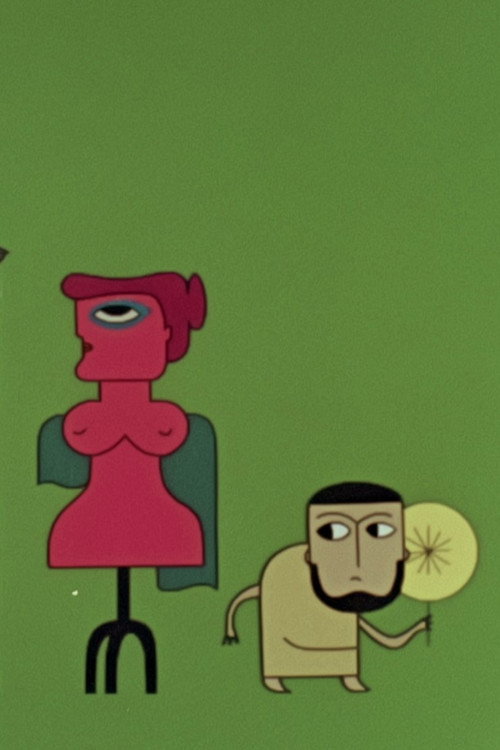
Aesop Takes a Walk 1967
Dive into the abstract world of *Aesop Takes a Walk (1967)*, an experimental animation short directed by Geta Brătescu that transforms Aesop's fables into a visual symphony of geometry and precision.
Director: Geta Brătescu
Frequently Asked Questions
What is Aesop Takes a Walk (1967) about?
This short experimental film reimagines Aesop's fables through a visual lens, focusing on geometric shapes and straight lines rather than dialogue or traditional storytelling. It's a bold, abstract take on classic moral tales, where the artistry lies in the movement and interplay of lines.
Who directed Aesop Takes a Walk?
Geta Brătescu directed *Aesop Takes a Walk (1967)*, crafting a visually driven piece that blends animation with modernist experimentation.
Who stars in Aesop Takes a Walk?
Cast details for *Aesop Takes a Walk (1967)* are not publicly available.
Is Aesop Takes a Walk (1967) worth watching?
While it's a niche watch, *Aesop Takes a Walk (1967)* is a fascinating slice of experimental animation that rewards viewers who appreciate avant-garde cinema. Its short runtime and striking visuals make it a compelling choice for fans of abstract art and storytelling.
How long is Aesop Takes a Walk?
*Aesop Takes a Walk (1967)* has a runtime of 10 minutes.
About Aesop Takes a Walk (1967) — A Minimalist Animation Masterpiece by Geta Brătescu
Dive into the abstract world of *Aesop Takes a Walk (1967)*, an experimental animation short directed by Geta Brătescu that transforms Aesop's fables into a visual symphony of geometry and precision. This 10-minute film strips away narrative conventions, instead weaving a mesmerizing tapestry of straight lines and angular shapes that dance across the screen in hypnotic patterns. Brătescu's avant-garde approach turns the ancient moral tales into a modernist meditation, where every line and angle feels deliberate, almost like a silent conversation between art and storytelling.
The film's minimalist aesthetic—marked by sharp lines, stark contrasts, and rhythmic repetition—creates an atmosphere that's both intellectual and playful. While the original fables are rooted in wisdom, this adaptation invites viewers to interpret the visuals for themselves, leaving room for curiosity and interpretation. It's a testament to how animation can transcend traditional boundaries, offering something both timeless and distinctly of its era. Whether you're a fan of experimental cinema or just curious about how classic tales can be reimagined, *Aesop Takes a Walk (1967)* is a fleeting yet unforgettable experience.