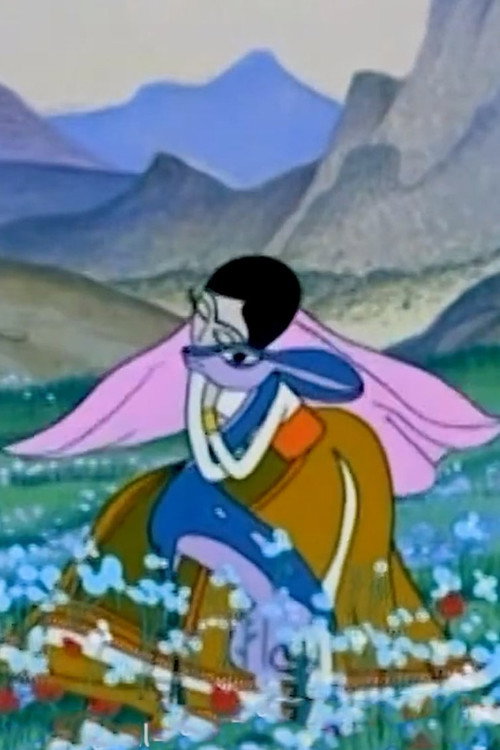
Lur-da-Lur 1972
In Valentin Podpomogov's 1972 animated short *Lur-da-Lur*, the fleeting romance between a humble Kurdish shepherd and the privileged daughter of a wealthy landowner unfolds against the rugged backdrop of early 20th-century Kurdistan.
Director: Valentin Podpomogov
Frequently Asked Questions
What is Lur-da-Lur (1972) about?
This eight-minute Soviet animation tells the tragic love story of a poor Kurdish shepherd and a wealthy landowner's daughter, whose relationship is doomed by class differences and societal expectations.
Who directed Lur-da-Lur?
Valentin Podpomogov directed *Lur-da-Lur*, bringing his signature blend of poetic animation and social commentary to this short film.
Who stars in Lur-da-Lur?
Cast details for *Lur-da-Lur* are not publicly listed, keeping the focus on the film's emotional resonance over its performers.
Is Lur-da-Lur (1972) worth watching?
While *Lur-da-Lur* lacks an IMDb rating, its artistic merit and emotional depth make it a compelling watch for fans of Soviet animation and tragic romances.
How long is Lur-da-Lur?
*Lur-da-Lur* runs for 8 minutes, making it a concise yet impactful cinematic experience.
About Lur-da-Lur (1972) — A Forbidden Love Story in Soviet Animation
In Valentin Podpomogov's 1972 animated short *Lur-da-Lur*, the fleeting romance between a humble Kurdish shepherd and the privileged daughter of a wealthy landowner unfolds against the rugged backdrop of early 20th-century Kurdistan. This poignant eight-minute film weaves a tragic tale of forbidden love, class division, and fate's cruel indifference. The stark visuals and minimalist storytelling create an atmosphere of quiet desperation, where passion meets insurmountable barriers. Like many Soviet-era animations, *Lur-da-Lur* blends lyrical beauty with emotional weight, leaving viewers to ponder the cost of dreams crushed by society's rigid boundaries.
Though brief, *Lur-da-Lur (1972)* packs a powerful punch, exploring themes that resonate universally: the clash between tradition and desire, the fragility of human connection, and the inevitability of loss. Its haunting simplicity lingers long after the final frame, challenging audiences to reflect on love's fragility in a world divided by wealth and power.