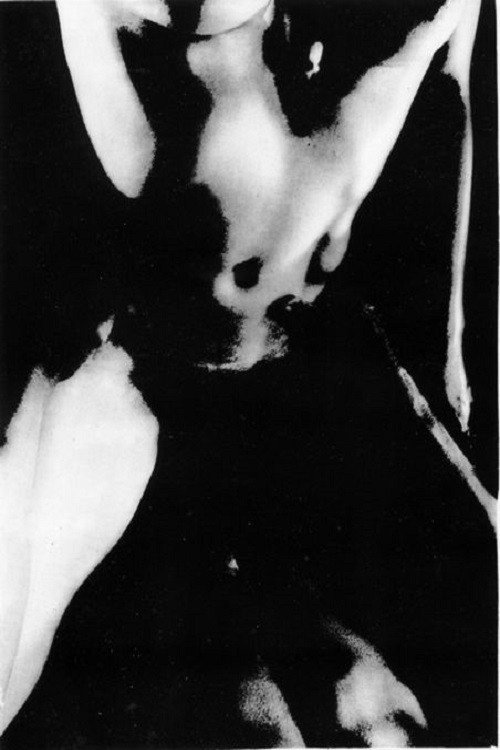
Parfait d'amour 1987
Dive into the provocative and visually arresting short film *Parfait d'amour (1987)*, directed by Monika Funke-Stern, where the boundaries of intimacy and perception blur.
Director: Monika Funke-Stern
Cast
Frequently Asked Questions
What is Parfait d'amour (1987) about?
*Parfait d'amour* follows a sailor whose tales of the sea become intertwined with his wife's longing for connection. Through the lens of an endoscope, the film reimagines intimacy as a sensory journey, blurring the lines between touch, sight, and memory. The narrative unfolds as a poetic meditation on love's persistence across distance.
Who directed Parfait d'amour?
Monika Funke-Stern directed *Parfait d'amour (1987)*, crafting a visually groundbreaking take on intimacy and desire.
Who stars in Parfait d'amour?
The film stars Margita Haberland and James Riley in the central roles of the sailor and his wife.
Is Parfait d'amour (1987) worth watching?
While *Parfait d'amour* isn't for everyone, experimental film enthusiasts will appreciate its bold vision and atmospheric storytelling. Its technical daring and thematic depth make it a noteworthy cult classic worth exploring for fans of avant-garde drama.
How long is Parfait d'amour?
The runtime of *Parfait d'amour (1987)* is 11 minutes.
About Parfait d'amour (1987) — A 1987 experimental drama filmed with an endoscope
Dive into the provocative and visually arresting short film *Parfait d'amour (1987)*, directed by Monika Funke-Stern, where the boundaries of intimacy and perception blur. Shot entirely using an endoscopic camera, this 11-minute experimental drama immerses viewers in a surreal exploration of love through the eyes of a sailor recounting his tales to his longing wife. The film's raw, unconventional technique—filmed on 16mm to compensate for the endoscope's technical limitations—transforms physical closeness into a mesmerizing sensory experience. Rich with themes of desire, memory, and the unseen connections between bodies, *Parfait d'amour* lingers as a haunting meditation on how love transcends the ordinary. Funke-Stern's audacious vision and the performances of Margita Haberland and James Riley anchor a narrative that challenges conventional storytelling.
This daring short film stands as a testament to experimental cinema's power to evoke emotion through unconventional means. By stripping away visual familiarity and plunging into the visceral, *Parfait d'amour (1987)* invites audiences to reconsider how love is both felt and seen. Its stark, intimate atmosphere lingers long after the final frame, making it a cult favorite for fans of avant-garde drama seeking something truly unique.