
Ibn Al-Haddad 1944
Ibn Al-Haddad (1944), directed by Youssef Wahby, is a poignant Egyptian drama that explores the stark contrast between wealth and struggle through the life of Taha.
Director: Youssef Wahby
Cast






Frequently Asked Questions
What is Ibn Al-Haddad (1944) about?
Ibn Al-Haddad follows Taha, a man raised by his working-class father to become a successful engineer and businessman. After marrying a Pasha's daughter whose extravagance drains his wealth, Taha, his wife, and daughter are forced to leave their privileged life behind. The film explores their struggle to adapt to a simpler existence while confronting the consequences of their choices.
Who directed Ibn Al-Haddad?
Ibn Al-Haddad was directed by Youssef Wahby, a prominent figure in Egyptian cinema known for his socially conscious storytelling and nuanced character portrayals.
Who stars in Ibn Al-Haddad?
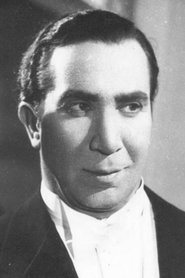
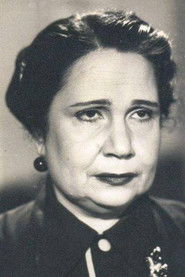
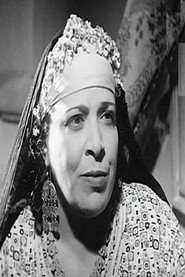
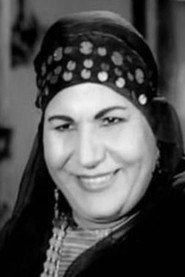
The film features Youssef Wahby, Madiha Yousri, Fouad Shafiq, Mahmoud El Meligy, and Mohamed El Deeb in lead roles, delivering performances that anchor its dramatic weight.
Is Ibn Al-Haddad (1944) worth watching?
Though unrated on IMDb, Ibn Al-Haddad (1944) is a compelling drama that offers a rare glimpse into mid-century Egyptian society. Its themes of class, family, and redemption remain relatable today, making it a hidden gem for fans of classic cinema. The strong performances and emotional depth justify a watch for those interested in historical dramas.
How long is Ibn Al-Haddad?
Ibn Al-Haddad has a runtime of 95 minutes.
Ibn Al-Haddad (1944): A Classic Egyptian Drama of Ambition and Fall
Ibn Al-Haddad (1944), directed by Youssef Wahby, is a poignant Egyptian drama that explores the stark contrast between wealth and struggle through the life of Taha. Born to a humble worker who sacrificed everything to see him become an engineer and factory owner, Taha's world unravels when he marries the daughter of a Pasha. Her extravagant lifestyle and detachment from family values drain his fortune, forcing them into a modest neighborhood and a harsh reality. Wahby crafts a visually rich narrative that contrasts opulence with the raw resilience of ordinary life, making Ibn Al-Haddad (1944) a timeless tale of ambition, downfall, and redemption.
The film's atmosphere is steeped in the social tensions of mid-20th century Egypt, where class divides and personal choices collide. Wahby's direction, paired with standout performances from Madiha Yousri and Fouad Shafiq, infuses the story with emotional depth. Ibn Al-Haddad (1944) isn't just a drama about financial loss—it's a reflection on identity, family, and the true meaning of success in a rapidly changing world.