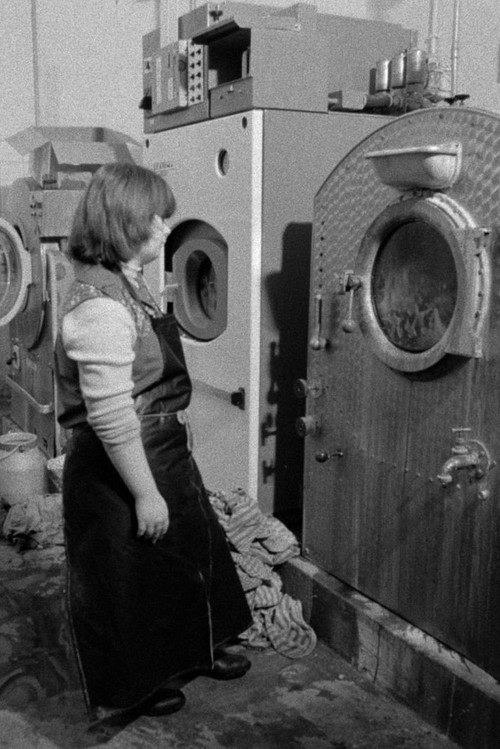
Jugendwerkhof 1982
Roland Steiner's 1982 documentary *Jugendwerkhof* peels back the curtain on a largely hidden chapter of youth reform in East Germany, where troubled teenagers were sent to state-run borstals designed to reshape their futures.
Director: Roland Steiner
Cast
Frequently Asked Questions
What is Jugendwerkhof (1982) about?
*Jugendwerkhof* documents the lives of at-risk teenagers in East Germany's state-run borstals, where correction and care were supposed to go hand in hand. The film examines the social and personal forces that landed these youths in the system and questions whether reform was ever truly possible within its rigid confines.
Who directed Jugendwerkhof?
The film was directed by Roland Steiner, a filmmaker whose work has explored social issues in East German society.
Who stars in Jugendwerkhof?
The cast features Roland Steiner as both filmmaker and observer, with the teenagers and staff of the Jugendwerkhof forming the core of the documentary.
Is Jugendwerkhof (1982) worth watching?
Though unrated on IMDb and just 31 minutes long, *Jugendwerkhof* offers a rare and compelling look at a suppressed social issue. Its documentary genre and historical significance make it a niche but valuable watch for those interested in Cold War-era youth policies and reform systems.
How long is Jugendwerkhof?
The runtime is approximately 31 minutes.
About Jugendwerkhof (1982) — A Glimpse Inside East Germany's Youth Reform System
Roland Steiner's 1982 documentary *Jugendwerkhof* peels back the curtain on a largely hidden chapter of youth reform in East Germany, where troubled teenagers were sent to state-run borstals designed to reshape their futures. Filmed in stark, observational style, the 31-minute documentary follows the daily routines and struggles of adolescents navigating a corrective system that was officially downplayed at the time. Steiner crafts an unflinching yet empathetic portrait, probing the roots of delinquency and the narrow margins for redemption in a system that sought control over healing. The atmosphere is tense yet quietly hopeful, oscillating between institutional rigidity and fragile human resilience.
At its heart, *Jugendwerkhof* is a film about second chances and the cost of intervention, asking whether institutional care can truly reclaim young lives or merely contain them. The director's intimate access to this closed environment creates a gripping, if unsettling, viewing experience that lingers long after the brief runtime. It's a quietly devastating snapshot of a society wrestling with its own contradictions, told through the eyes of those caught in the middle.