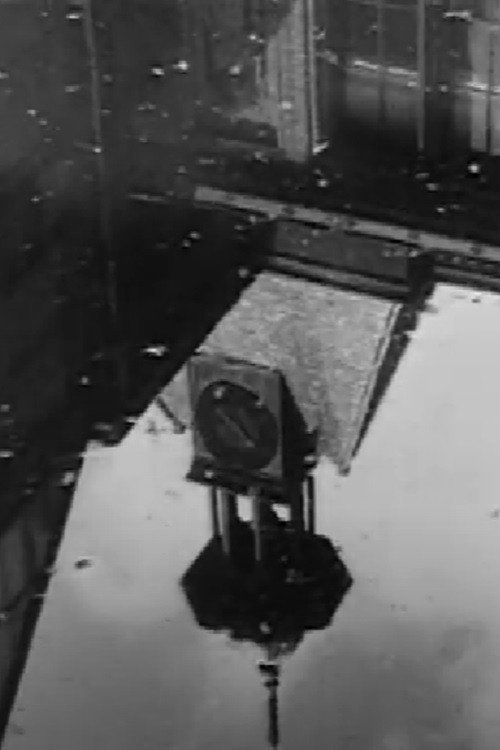
Mooi Amsterdam 1930
Step back in time with *Mooi Amsterdam (1930)*, a charming 16-minute documentary that captures the timeless beauty of the Dutch capital.
Frequently Asked Questions
What is Mooi Amsterdam (1930) about?
*Mooi Amsterdam (1930)* is a short documentary that highlights the city's architectural contrasts, pairing its historic landmarks—like medieval houses and canals—with snapshots of its modern urban life. The film serves as a visual time capsule, capturing Amsterdam's enduring charm in the early 20th century.
Who directed Mooi Amsterdam?
Director information is not available.
Who stars in Mooi Amsterdam?
The cast details for *Mooi Amsterdam* are not listed, as this short film focuses on locations rather than individual performers.
Is Mooi Amsterdam (1930) worth watching?
While *Mooi Amsterdam (1930)* is a niche silent-era documentary, its historical and cultural value shines through its striking visuals. Film enthusiasts and those interested in early cinema or Amsterdam's history may find it a rewarding watch, though its unrated status and lack of dialogue limit its broad appeal.
How long is Mooi Amsterdam?
The runtime for *Mooi Amsterdam (1930)* is 16 minutes.
About Mooi Amsterdam (1930) — Exploring the City's Past in 16 Minutes of Silent Cinema
Step back in time with *Mooi Amsterdam (1930)*, a charming 16-minute documentary that captures the timeless beauty of the Dutch capital. Directed by an unknown filmmaker, this early cinematic gem contrasts Amsterdam's historic charm with its modern pulse, showcasing architectural landmarks from centuries past alongside the city's evolving skyline. Bathed in sepia tones and silent-era aesthetics, the film immerses viewers in a nostalgic journey, celebrating the city's enduring spirit through sweeping cityscapes and intimate street scenes.
Whether you're a film buff, history enthusiast, or simply curious about Amsterdam's past, *Mooi Amsterdam (1930)* offers a unique glimpse into a bygone era. The documentary's focus on architectural contrasts—from medieval canals to contemporary structures—reflects the city's ability to blend tradition with progress, all while preserving its iconic identity. Though sparse on technical details, the film's visual storytelling and atmospheric shots make it a fascinating watch for those who appreciate early cinema's ability to preserve cultural heritage.