Kristianstad and Karlshamn in 1908 1908
Step back to the early 20th century with Kristianstad and Karlshamn in 1908, a rare silent-era documentary capturing two pivotal Swedish celebrations.
Frequently Asked Questions
What is Kristianstad and Karlshamn in 1908 (1908) about?
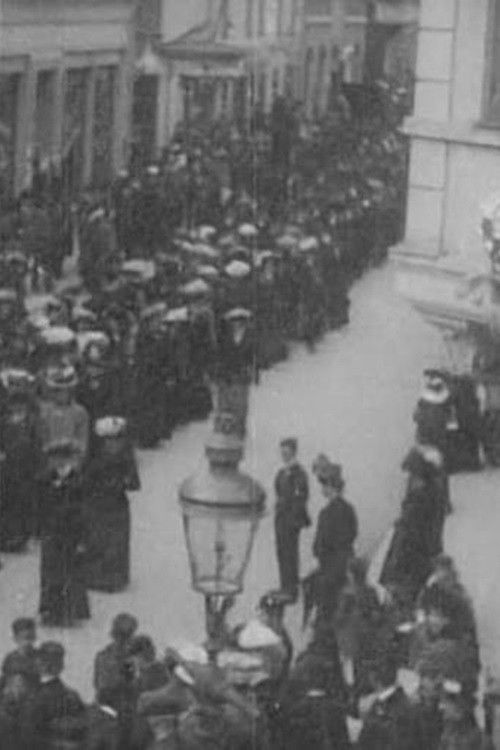
This short documentary documents two significant 1908 events in Sweden: the May Day demonstrations and flower procession in Kristianstad, followed by the Roskilde Festival in Karlshamn marking the 250th anniversary of the Treaty of Roskilde. The film blends social history with cultural celebration, offering a snapshot of early 20th-century Swedish life.
Who directed Kristianstad and Karlshamn in 1908?
Director information is not available.
Who stars in Kristianstad and Karlshamn in 1908?
The film features uncredited participants in the May Day demonstrations and Roskilde Festival, including workers, civic leaders, and festival attendees.
Is Kristianstad and Karlshamn in 1908 (1908) worth watching?
While it's a niche silent-era documentary, its historical value is undeniable. Fans of early cinema and Swedish history will appreciate its preservation of cultural milestones. Given its unrated status and brief runtime, it's a curiosity rather than a must-watch, but one that offers fascinating insight.
How long is Kristianstad and Karlshamn in 1908?
The runtime is 15 minutes.
🎥 Trailer
About Kristianstad and Karlshamn in 1908 (1908) — Sweden's 1908 celebrations in rare silent-era footage
Step back to the early 20th century with Kristianstad and Karlshamn in 1908, a rare silent-era documentary capturing two pivotal Swedish celebrations. The film opens with the May Day demonstrations and the vibrant flower procession in Kristianstad, where workers marched under banners echoing the spirit of solidarity and progress. It then shifts to Karlshamn, where the city commemorated the 250th anniversary of the Treaty of Roskilde with the Roskilde Festival, blending cultural pride with historical reflection. Shot in 1908, this 15-minute short offers a window into a time of social awakening and national identity, framed by the lens of a cameraman who preserved these fleeting moments for posterity.
Though the director remains unknown, the film's themes resonate deeply: the labor movement's rise, the intersection of culture and history, and the communal joy of celebration. The grainy black-and-white footage carries a nostalgic warmth, transporting viewers to a Sweden on the cusp of modernity, where every frame tells a story of resilience and unity. Ideal for history buffs and cinephiles alike, this documentary is a time capsule of early Swedish society in motion.