
Asakusa at Night 1954
Directed by Kōji Shima, *Asakusa at Night (1954)* paints a vivid portrait of post-war Tokyo's Asakusa district, where neon-lit streets blur the line between dreams and danger.
Director: Kōji Shima
Cast
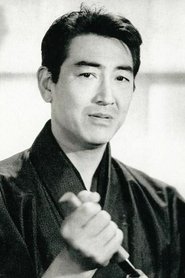
Koji Tsuruta
Susumu Yamaura

Machiko Kyō
Setsuko Takashima

Ayako Wakao
Namie Takashima
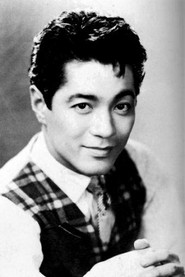
Jun Negami
Tozuki
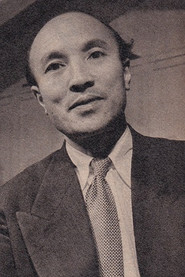
Osamu Takizawa
Tozuki's father

Hideo Takamatsu
Komakichi

Takashi Shimura
Komazo
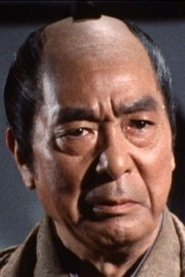
Bontarō Miake
Teacher Akiyama

Hikaru Hoshi
Sakutaro Yumi

Kokuten Kōdō
Gosuke
Frequently Asked Questions
What is *Asakusa at Night (1954)* about?
This 1954 drama-romance unfolds in Tokyo's Asakusa district, where a former yakuza turned scriptwriter, a fiery iron-fire dancer, a young painter, and a sweet-faced local girl navigate love and hardship. Their stories intertwine against the backdrop of a bustling, neon-lit neighborhood, blending romance with underworld tension.
Who directed *Asakusa at Night*?
Kōji Shima directed this atmospheric tale, infusing the film with the grit and glamour of post-war Tokyo.
Who stars in *Asakusa at Night*?
The film features Koji Tsuruta as the ex-yakuza scriptwriter, alongside Machiko Kyō as the iron-fire dancer, Ayako Wakao as the downtown girl, and Jun Negami, Osamu Takizawa, and Hideo Takamatsu rounding out the cast.
Is *Asakusa at Night (1954)* worth watching?
While unrated on IMDb, this 1954 gem offers a compelling mix of romance and drama set against a richly detailed Tokyo landscape. Fans of classic Japanese cinema or atmospheric period films will likely find its blend of emotion and local flavor rewarding.
How long is *Asakusa at Night*?
The film runs for 88 minutes, a concise runtime that keeps the story tight and engaging.
About Asakusa at Night (1954) — A 1950s Tokyo romance drenched in neon and nostalgia
Directed by Kōji Shima, *Asakusa at Night (1954)* paints a vivid portrait of post-war Tokyo's Asakusa district, where neon-lit streets blur the line between dreams and danger. The film follows the intertwined lives of a former yakuza turned scriptwriter, an alluring iron-fire dancer, a hopeful young painter, and a wide-eyed local girl, all drawn together by fate and passion. Shima's atmospheric storytelling weaves romance and gritty realism, capturing the restless energy of a city caught between tradition and modernity.
Set against the vibrant nightlife of Asakusa, the movie explores themes of redemption, fleeting love, and the search for meaning in a shifting world. With its moody cinematography and emotionally charged performances, *Asakusa at Night* offers a captivating glimpse into 1950s Japan, where every shadow tells a story and every encounter could change a life.