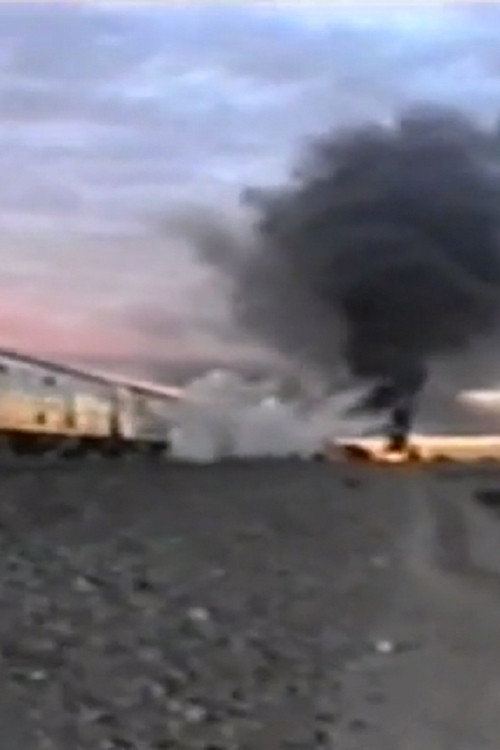
Nishapur Train Disaster 2004
The 2004 documentary *Nishapur Train Disaster* offers a harrowing look at Iran's most devastating train accident, unfolding with raw urgency and emotional weight.
Frequently Asked Questions
What is Nishapur Train Disaster (2004) about?
This documentary examines Iran's deadliest train disaster, which unfolded near the city of Nishapur, leaving a trail of devastation in its wake. Through firsthand accounts and meticulous reconstruction, the film examines the human stories behind the tragedy while probing the causes and consequences of the catastrophic derailment.
Who directed Nishapur Train Disaster?
Director information is not available.
Who stars in Nishapur Train Disaster?
The documentary features survivors, witnesses, and experts who provide firsthand insights into the disaster.
Is Nishapur Train Disaster (2004) worth watching?
As a documentary that blends tragic real-life drama with investigative depth, *Nishapur Train Disaster* offers a compelling watch for fans of true stories and disaster analysis. While not a feel-good film, its emotional impact and educational value make it a solid choice for those interested in understanding the human side of industrial accidents.
How long is Nishapur Train Disaster?
The film has a runtime of 46 minutes.
About Nishapur Train Disaster (2004) — A Gripping Account of Iran's Worst Rail Tragedy
The 2004 documentary *Nishapur Train Disaster* offers a harrowing look at Iran's most devastating train accident, unfolding with raw urgency and emotional weight. Through archival footage and survivor testimonies, the film captures the chaos and aftermath of a catastrophic derailment near Nishapur, a tragedy that claimed hundreds of lives and left an indelible mark on the community. The documentary's somber tone reflects on human resilience amid disaster, blending factual reporting with poignant reflections on loss and recovery. While the director remains unnamed, the film's gripping narrative ensures it stands as a vital record of one of Iran's darkest moments in modern transportation history.
As a gripping work of non-fiction, *Nishapur Train Disaster* transcends mere disaster recounting by exploring the broader implications of such tragedies—how they reshape families, test emergency responses, and linger in public memory. The film's atmospheric tension builds from the initial shock of the disaster to the slow, painful process of piecing together what went wrong, making it essential viewing for those interested in real-life survival stories and the human cost of industrial failure.