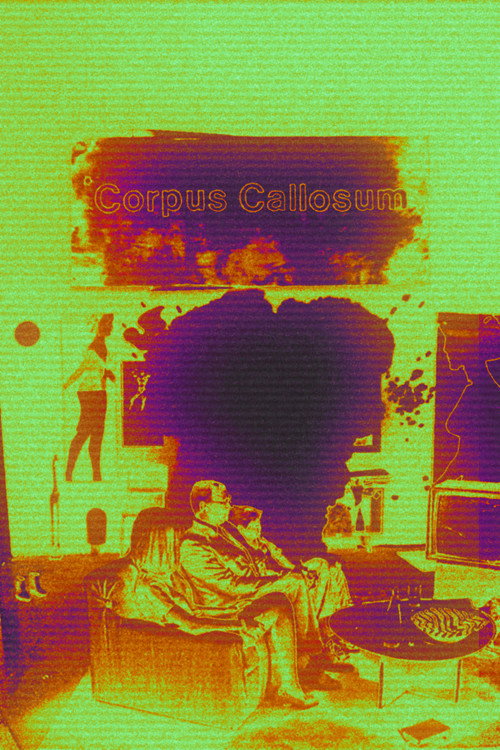
*Corpus Callosum 2002
Michael Snow's *Corpus Callosum (2002)* is a bold, offbeat drama-comedy that blurs the line between office drudgery and suburban domesticity.
Director: Michael Snow
Cast

Frequently Asked Questions
What is *Corpus Callosum (2002) about?
The film follows the intersecting lives of office workers and a household, blending their spaces and routines into a single, surreal narrative. It's less about plot and more about the odd poetry found in the repetition of daily life.
Who directed *Corpus Callosum?
*Corpus Callosum was directed by Michael Snow, the Canadian artist and experimental filmmaker known for his boundary-pushing work.
Who stars in *Corpus Callosum?
The film features Jacqueline Anderson, Berj Bannayan, Greg Hermanovic, John Massey, and André Alcasid in key roles.
Is *Corpus Callosum (2002) worth watching?
*Corpus Callosum is a niche film, best suited for fans of avant-garde cinema and slow-burn absurdist humor. Its lack of IMDb rating suggests it's not mainstream, but its unique style makes it a standout for those seeking something different.
How long is *Corpus Callosum?
*Corpus Callosum runs for 93 minutes.
About *Corpus Callosum (2002)* — A Surreal Office Comedy That Questions Reality
Michael Snow's *Corpus Callosum (2002)* is a bold, offbeat drama-comedy that blurs the line between office drudgery and suburban domesticity. The film drifts between the sterile corridors of a workplace and the cluttered comfort of a living room, where characters navigate their routines with deadpan precision. Snow's signature surrealism takes center stage, turning mundane interactions into something strangely poetic and quietly absurd. Watching it feels like stumbling into a parallel world where everyday objects and behaviors become playful, almost alienating puzzles.
Starring a cast that includes Jacqueline Anderson and Berj Bannayan, *Corpus Callosum (2002)* thrives on its juxtaposition of genre—balancing sharp comedic timing with undercurrents of existential reflection. The film's visual and narrative experimentation invites viewers to question how we assign meaning to spaces and the people who occupy them. It's a work that rewards patience, offering a meditative yet humorous take on the absurdities of modern life.