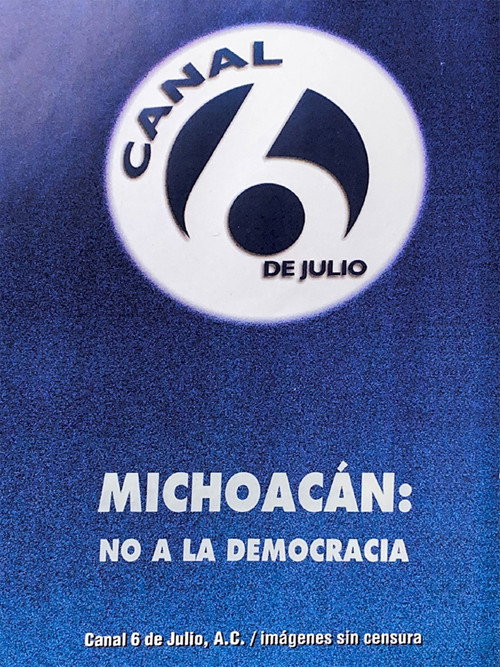
Michoacán: No a la democracia 1989
Dive into the raw, unfiltered pulse of Mexico's political landscape in the late 1980s with *Michoacán: No a la democracia (1989)*, Carlos Mendoza's gripping documentary that captures the tension between democracy and authoritarianism.
Director: Carlos Mendoza
Frequently Asked Questions
What is *Michoacán: No a la democracia (1989)* about?
This documentary plunges into the heart of Michoacán's fight against electoral fraud and political repression in the late 1980s. Through firsthand accounts and on-the-ground footage, it reveals the grassroots movements that sought to dismantle corrupt systems and reclaim democratic rights for the people.
Who directed *Michoacán: No a la democracia*?
Carlos Mendoza directed this powerful documentary, bringing his signature focus on social and political issues to the screen.
Who stars in *Michoacán: No a la democracia*?
The film features the voices and stories of Michoacán's citizens, farmers, and activists who became the faces of resistance during this pivotal moment in Mexican history.
Is *Michoacán: No a la democracia (1989)* worth watching?
For fans of political documentaries, this film is a compelling watch, offering a raw and authentic glimpse into a movement that shaped Mexico's democratic future. While it lacks mainstream recognition, its historical significance makes it a valuable piece of cinema.
How long is *Michoacán: No a la democracia*?
Runtime details are not listed.
Michoacán: No a la democracia (1989) — Political Struggle in Mexico Captured on Film
Dive into the raw, unfiltered pulse of Mexico's political landscape in the late 1980s with *Michoacán: No a la democracia (1989)*, Carlos Mendoza's gripping documentary that captures the tension between democracy and authoritarianism. Framed against the backdrop of Michoacán's social unrest, this film immerses viewers in the grassroots movements challenging the status quo, blending intimate interviews with sweeping shots of protest and resistance. The atmosphere is charged with urgency, reflecting the era's fight for electoral transparency and civic participation.
Mendoza, known for his keen eye for social cinema, crafts a work that's both a historical artifact and a rallying cry, making it essential viewing for those interested in political documentaries. While specific cast details remain elusive, the film's power lies in its collective voices—the farmers, activists, and citizens who refuse to remain silent. A stark reminder of how democracy is often forged in struggle, this documentary lingers as a testament to the human spirit's refusal to yield.