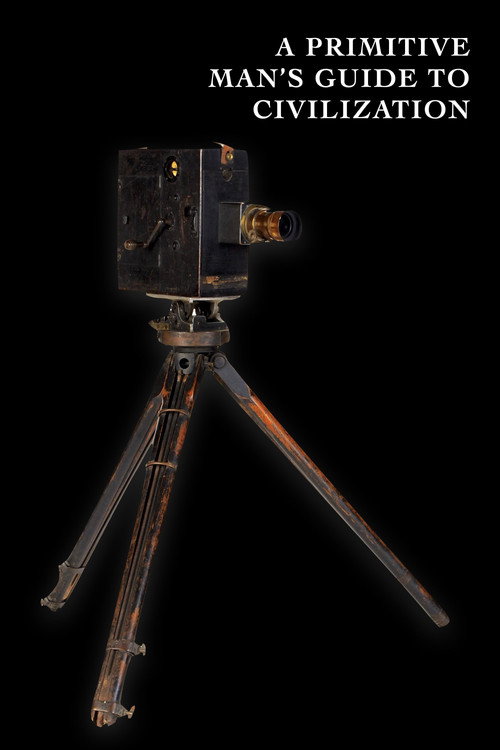
A Primitive Man's Career to Civilization 1911
A Primitive Man's Career to Civilization (1911) is a fascinating early drama that chronicles a dramatic transformation, blending raw human instinct with the rigid structures of society.
Director: Cherry Kearton
Frequently Asked Questions
What is A Primitive Man's Career to Civilization (1911) about?
This early silent drama follows a tribal man whose encounter with a commissioner leads him to adopt European clothing and attend church, symbolizing a forced step toward civilization. The film juxtaposes his natural instincts against societal expectations, creating a poignant tale of adaptation and resistance.
Who directed A Primitive Man's Career to Civilization?
Cherry Kearton directed this 1911 silent film. Known for his pioneering work in early cinema, Kearton often explored human stories with a blend of drama and documentary-like observation.
Who stars in A Primitive Man's Career to Civilization?
The primary cast details for A Primitive Man's Career to Civilization are not listed, reflecting the limited documentation of early silent films.
Is A Primitive Man's Career to Civilization (1911) worth watching?
As an early silent drama, it offers historical value and a unique perspective on cultural assimilation, though its brevity may limit its appeal. Silent film fans and those interested in early cinema will find it intriguing, despite its lack of modern pacing or effects.
How long is A Primitive Man's Career to Civilization?
Runtime details are not listed for A Primitive Man's Career to Civilization (1911).
About A Primitive Man's Career to Civilization (1911) — A silent-era drama of culture clash and transformation
A Primitive Man's Career to Civilization (1911) is a fascinating early drama that chronicles a dramatic transformation, blending raw human instinct with the rigid structures of society. Directed by Cherry Kearton, this short silent film explores the clash between nature and civilization as a commissioner's intervention pushes a tribal man into a startling new world of European customs. The story unfolds with a quiet intensity, contrasting the simplicity of his native life with the complexities of chapel attendance and tailored clothing. Kearton's direction captures a moment of historical curiosity, offering a glimpse into early 20th-century perceptions of cultural assimilation.
The film's themes of identity and societal pressure resonate even today, wrapped in a nostalgic, almost anthropological lens. Its dramatic core lies in the tension between personal freedom and imposed change, framed within the constraints of early filmmaking. Though sparse in details, the narrative sparkles with observational depth, making it a compelling watch for silent film enthusiasts and historians alike.