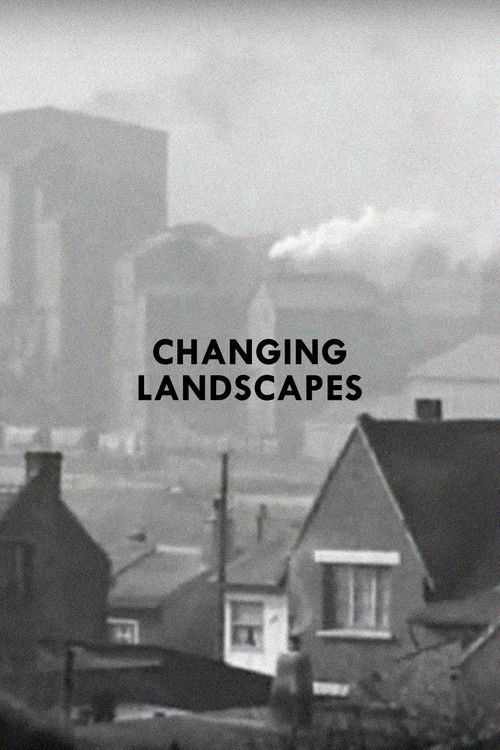
Changing Landscapes 1964
Éric Rohmer's *Changing Landscapes (1964)* is a thought-provoking short documentary that examines the transformation of Paris and its surroundings in the early 1960s.
Director: Éric Rohmer
Cast
Frequently Asked Questions
What is Changing Landscapes (1964) about?
This short documentary by Éric Rohmer explores how landscapes around Paris evolved in the early 1960s, blending history, art, and architecture. It examines themes like urbanization and industrial decay while reflecting on the role of modern design in shaping our surroundings.
Who directed Changing Landscapes?
Changing Landscapes was directed by Éric Rohmer, the acclaimed French filmmaker known for his insightful and dialogue-driven cinema.
Who stars in Changing Landscapes?
The film features Antoine Vitez, a prominent French actor and director, in a central role.
Is Changing Landscapes (1964) worth watching?
While unrated on IMDb, *Changing Landscapes* offers a unique blend of documentary and art-house aesthetics, making it compelling for fans of Rohmer's work or those interested in mid-century urban evolution. Its short runtime and thematic depth add to its appeal as a concise yet impactful viewing experience.
How long is Changing Landscapes?
Changing Landscapes runs for 22 minutes.
About Changing Landscapes (1964) — Éric Rohmer's poetic short documentary on modern landscapes
Éric Rohmer's *Changing Landscapes (1964)* is a thought-provoking short documentary that examines the transformation of Paris and its surroundings in the early 1960s. Through a refined lens, Rohmer captures the evolving character of modern landscapes—from winding canals and towering pylons to abandoned factories—inviting viewers to ponder their place in an ever-changing world. The film weaves together art, architecture, and engineering, referencing key figures in modern design while exploring how these elements shape our perception of space and time. With a contemplative tone and striking visuals, it blends documentary realism with philosophical inquiry, offering a window into the intersection of nature, technology, and human creativity.
Blending history with artistic reflection, *Changing Landscapes (1964)* is a concise yet profound meditation on how landscapes reflect—and resist—progress. Rohmer's keen eye for detail and his engagement with the enigmatic qualities of urban and industrial environments make this a standout piece for fans of artistic documentaries and mid-century cultural studies.