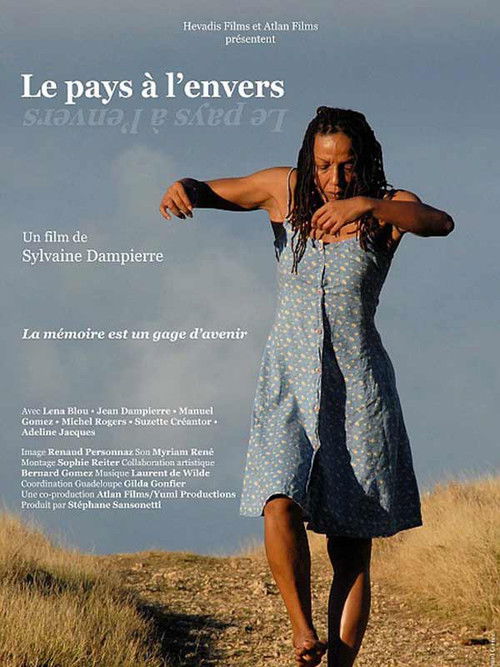
The Country Upside Down 2009
In *The Country Upside Down* (2009), director Sylvaine Dampierre embarks on a deeply personal journey back to the island her father left behind half a century ago.
Director: Sylvaine Dampierre
Cast
Frequently Asked Questions
What is *The Country Upside Down* (2009) about?
*The Country Upside Down* follows director Sylvaine Dampierre as she returns to the island her father left decades earlier, seeking to uncover the origins of her family name. Through archival footage and personal recollections, the film explores themes of displacement, cultural identity, and the passage of time.
Who directed *The Country Upside Down*?
The film was directed by Sylvaine Dampierre, who also stars in and co-produced the documentary.
Who stars in *The Country Upside Down*?
Manuel Gomez, Jean Dampierre, Sylvaine Dampierre, Léna Blou, and Michel Rogers headline the cast of this documentary.
Is *The Country Upside Down* (2009) worth watching?
As a documentary, it offers a deeply personal and visually rich exploration of memory and migration, making it a compelling watch for fans of the genre. While it's not widely rated, its intimate storytelling and thematic depth set it apart.
How long is *The Country Upside Down*?
The film has a runtime of 90 minutes.
About The Country Upside Down (2009) — A Personal Journey Through Memory and Migration
In *The Country Upside Down* (2009), director Sylvaine Dampierre embarks on a deeply personal journey back to the island her father left behind half a century ago. This intimate documentary feels like a time capsule as she traces the roots of her surname, weaving history with family memory. The film unfolds like a poetic meditation on identity and belonging, blending archival footage with candid reflections. With a runtime of just 90 minutes, it balances quiet introspection with striking visuals, creating an atmosphere that's both nostalgic and quietly revelatory.
The cast—led by Manuel Gomez, Jean Dampierre, and the director herself—brings authenticity to this exploration of displacement and cultural heritage. As the narrative unfolds, themes of memory, migration, and the passage of time take center stage, making it a poignant watch for anyone drawn to stories about roots and reinvention. The film's documentary style lends it a raw, unfiltered quality, inviting viewers to step into the filmmaker's shoes and experience the journey alongside her.