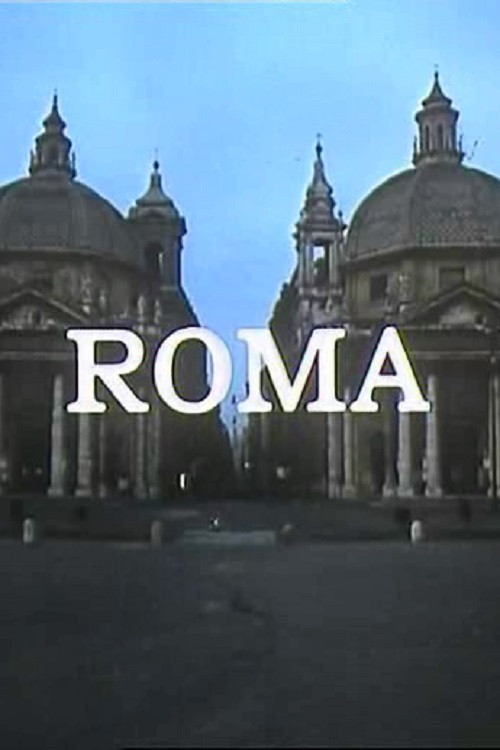
Roma 1989
A compelling documentary shot in 1989, *Roma* offers an immersive glimpse into the vibrant heartbeat of Italy's capital during its golden age.
Director: Michelangelo Antonioni
Frequently Asked Questions
What is Roma (1989) about?
*Roma (1989)* is a documentary that captures the essence of Italy's capital during a pivotal moment in the late 20th century. Michelangelo Antonioni's lens immortalizes Rome's landmarks, streets, and people, blending history with the energy of everyday life. The film transforms urban exploration into a poetic journey through time.
Who directed Roma?
Michelangelo Antonioni, the legendary Italian director known for his visually striking and philosophically rich films, helmed *Roma (1989)*.
Who stars in Roma?
As a documentary, *Roma (1989)* features no traditional cast, but the film prominently showcases the city of Rome and its inhabitants as its stars.
Is Roma (1989) worth watching?
If you appreciate documentaries that blend artistic vision with real-world observation, *Roma (1989)* is absolutely worth watching. Antonioni's direction turns a simple cityscape into a contemplative experience, making it a standout entry in the genre. Its unique perspective and historical value elevate it beyond a typical travelogue.
How long is Roma?
Runtime details are not listed.
About Roma (1989) — A Cinematic Love Letter to Rome's Changing Landscape
A compelling documentary shot in 1989, *Roma* offers an immersive glimpse into the vibrant heartbeat of Italy's capital during its golden age. Directed by Michelangelo Antonioni, the film captures the city's architectural elegance, bustling streets, and the subtle rhythms of daily life with striking visual poetry. The black-and-white cinematography enhances the timeless quality of the footage, presenting Rome not just as a place, but as a living, breathing entity. Through carefully composed frames and a meditative pace, Antonioni transforms everyday scenes—historic landmarks, public gatherings, and quiet moments—into a reflective portrait of a city in flux. The result is a mesmerizing time capsule that feels as relevant today as it did decades ago.
*Roma (1989)* transcends a simple travelogue, becoming a meditation on memory, change, and the enduring spirit of urban life. It invites viewers to slow down and observe the details often overlooked in the rush of modern existence. The absence of narration allows the city itself to speak, revealing its contradictions—both ancient and modern, chaotic and serene. This documentary is a love letter to Rome, blending history with the present and offering a cinematic experience that lingers long after the final frame fades.