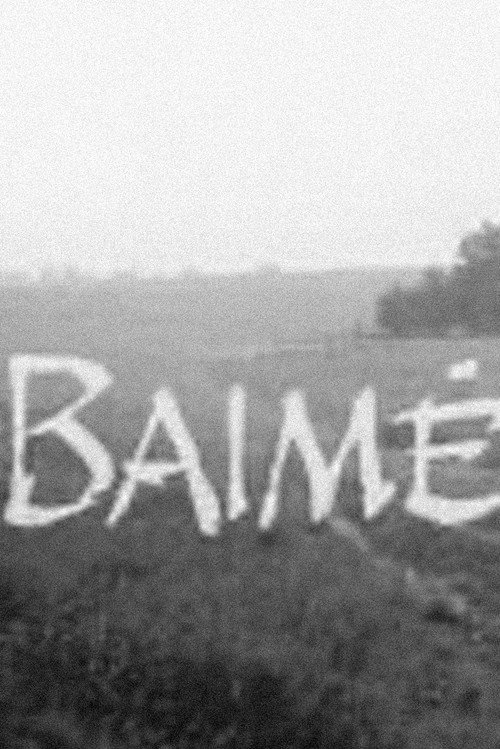
Baimė 1996
Linas Ryškus' poignant 1996 drama *Baimė* explores the quiet struggles of ordinary lives shadowed by unseen fears.
Director: Linas Ryškus
Cast





Frequently Asked Questions
What is Baimė (1996) about?
*Baimė (1996)* follows a group of individuals navigating personal and societal fears in a post-Soviet landscape. The film examines how their relationships and emotional resilience are tested by uncertainty and shared struggles.
Who directed Baimė?
The film was directed by Linas Ryškus, a Lithuanian filmmaker known for his sensitive and introspective approach to storytelling.
Who stars in Baimė?
The cast includes Tatyana Lyutaeva, Valentinas Masalskis, Arūnas Sakalauskas, Vladimiras Jefremovas, and Jolanta Dapkūnaitė in key roles.
Is Baimė (1996) worth watching?
As a drama steeped in emotional depth and social context, *Baimė (1996)* offers a thought-provoking experience for fans of character-driven narratives. Its themes of resilience and vulnerability make it a compelling watch, especially for those interested in Lithuanian cinema.
How long is Baimė?
Runtime details are not listed.
About Baimė (1996) — A 1996 Lithuanian drama exploring fear and human resilience
Linas Ryškus' poignant 1996 drama *Baimė* explores the quiet struggles of ordinary lives shadowed by unseen fears. Set against a backdrop of post-Soviet uncertainty, the film follows a group of interconnected characters whose relationships are tested by personal and collective anxieties. Through delicate performances, the story delves into themes of vulnerability, resilience, and the enduring human spirit amid societal shifts. The atmospheric tone blends melancholy with subtle hope, making *Baimė (1996)* a reflective journey into the heart of human emotion.
At its core, the narrative weaves together personal dramas—love, loss, and the weight of unspoken truths—into a cohesive portrait of resilience. The director's sensitive handling of the material transforms everyday moments into profound reflections on courage, leaving audiences with a lingering sense of introspection. With its raw emotional depth and understated elegance, *Baimė* stands as a testament to the power of storytelling in capturing the unspoken struggles of the human experience.