Henan's AntiProstitution Movement in 1998 1998
Step behind the iron curtain with this once-classified short documentary from 1998, *Henan's AntiProstitution Movement in 1998*, a secret film commissioned by China's Ministry of Public Security.
Frequently Asked Questions
What is *Henan's AntiProstitution Movement in 1998* (1998) about?
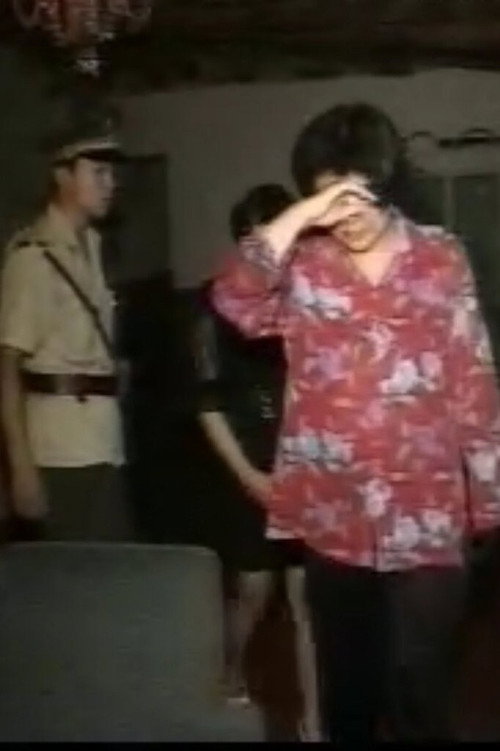
This 16-minute documentary captures covert police operations across Henan Province aimed at eradicating prostitution in 1998. Shot with minimal commentary, it reveals the methods, tensions, and stark realities of enforcement during a pivotal social crackdown.
Who directed *Henan's AntiProstitution Movement in 1998*?
Director information is not available.
Who stars in *Henan's AntiProstitution Movement in 1998*?
The film focuses on the Henan Provincial Police as the primary presence; no individual cast members are credited.
Is *Henan's AntiProstitution Movement in 1998* (1998) worth watching?
Though unrated and short, its historical rarity and unfiltered glimpse into 1990s Chinese law-enforcement tactics make it a compelling watch for niche audiences interested in true-crime and state surveillance history.
How long is *Henan's AntiProstitution Movement in 1998*?
The film runs 16 minutes, offering a concentrated dose of early surveillance cinema.
About Henan's AntiProstitution Movement in 1998 (1998) — China's Secret 1998 Police Raids Revealed
Step behind the iron curtain with this once-classified short documentary from 1998, *Henan's AntiProstitution Movement in 1998*, a secret film commissioned by China's Ministry of Public Security. Shot on the fly during unannounced raids across Henan Province, the 16-minute record pulls no punches: grainy surveillance footage, terse police radio chatter, and candid snippets of law-enforcement crackdowns paint an unflinching snapshot of a society under sudden moral scrutiny. Themes of state control, public decency, and the human cost of policy collide in a film that feels less like propaganda and more like a bureaucratic time capsule accidentally left in plain sight.
Shadowy corridors, flickering neon, and whispered accounts give the movie a noir-tinged atmosphere—part social audit, part historical artifact. While the director remains officially anonymous, the urgency of the lens and the stark storytelling hint at a collective urgency: to document, deter, and define acceptable behavior in a rapidly shifting China of the late '90s. For historians, true-crime buffs, or anyone fascinated by the intersection of law and human behavior, it's a fascinating footnote to a lesser-known chapter of modern Chinese governance.