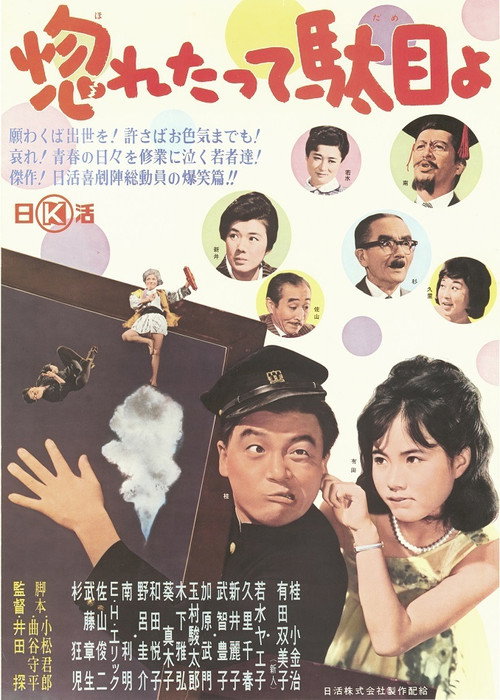
Hore tatte dame yo 1962
Step back to 1962 and slip into the bustling streets of post-war Japan with *Hore tatte dame yo (1962)*, a compact 77-minute snapshot of everyday life and human resilience.
Director: Motomu Ida
Cast


Frequently Asked Questions
What is Hore tatte dame yo (1962) about?
*Hore tatte dame yo* follows the daily lives of two characters navigating love, ambition, and the challenges of post-war Tokyo. Their journey unfolds through relatable struggles and small but meaningful victories, all wrapped in a concise 77-minute runtime.
Who directed Hore tatte dame yo?
The film was directed by Motomu Ida, a filmmaker whose work often captured the spirit of everyday life in Japan.
Who stars in Hore tatte dame yo?
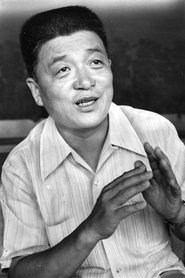
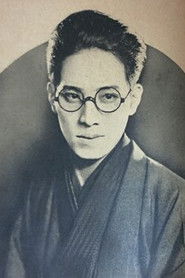
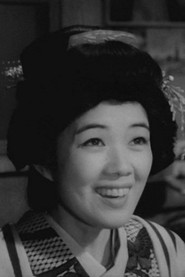
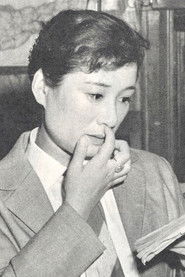
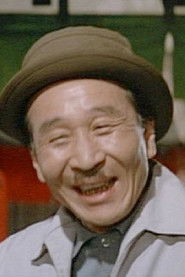
The cast includes Kokinji Katsura, Fumiko Arita, Toyoko Takechi, Kyoji Sugi, and Reiko Arai.
Is Hore tatte dame yo (1962) worth watching?
While not widely rated, its tight runtime and slice-of-life charm make it a quick but rewarding watch for fans of classic Japanese cinema. The film's focus on relatable themes and strong performances add depth to its simple premise.
How long is Hore tatte dame yo?
The movie runs for 77 minutes.
Hore tatte dame yo (1962): A Quick Glimpse of 1960s Tokyo Life — Full Movie Info
Step back to 1962 and slip into the bustling streets of post-war Japan with *Hore tatte dame yo (1962)*, a compact 77-minute snapshot of everyday life and human resilience. Directed by Motomu Ida, this Tokyo-set drama unfolds through the eyes of Kokinji Katsura and Fumiko Arita, whose characters navigate love, ambition, and the small but meaningful victories of ordinary people. With a runtime tight enough for a quick escape yet rich with atmosphere, the film captures the grit and charm of its era, balancing humor with heartfelt moments that linger long after the credits roll.
Though genre details are scarce, the movie's tone suggests a slice-of-life comedy-drama, where relationships are tested and dreams are pursued in a city that never sleeps. The supporting cast—including Toyoko Takechi and Kyoji Sugi—add layers of authenticity, grounding the narrative in relatable struggles and triumphs. Whether you're a fan of classic Japanese cinema or just curious about the cultural snapshots of the early '60s, *Hore tatte dame yo* offers a concise, engaging dive into a world that feels both distant and intimately familiar.