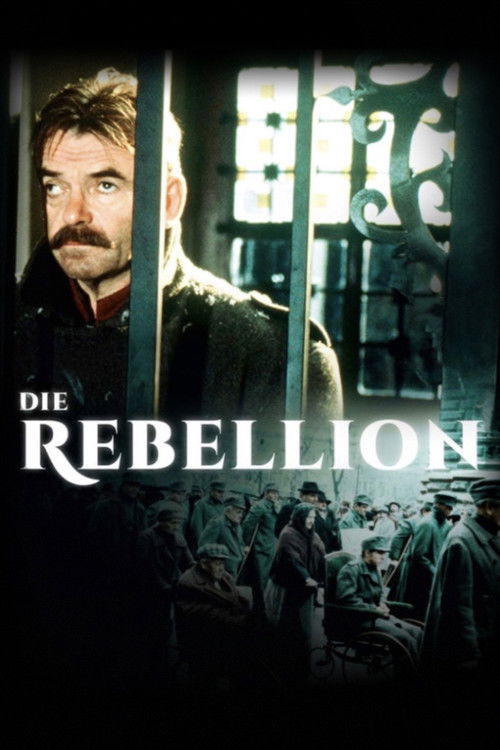
The Rebellion 1993
Michael Haneke's 1993 drama *The Rebellion* dives into the tragic story of Andreas Pum, a disabled ex-soldier who returns from war having lost a leg but gains only a dreary music-box license.
Director: Michael Haneke
Cast



Frequently Asked Questions
What is The Rebellion (1993) about?
It follows Andreas Pum, a war-wounded veteran who struggles to reintegrate into civilian life after losing his leg and his dignity. A minor altercation lands him in jail, stripping him of his livelihood and reducing him to a toilet attendant in a seedy café.
Who directed The Rebellion?
Michael Haneke, the acclaimed Austrian filmmaker known for his incisive critiques of societal structures and human fragility.
Who stars in The Rebellion?
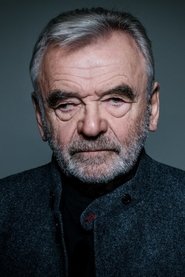
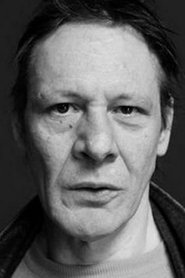
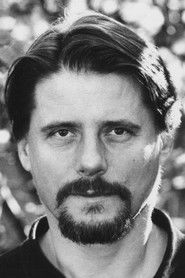
The film features Branko Samarovski in the lead role, alongside Judit Pogány, Thierry van Werveke, and August Schmölzer.
Is The Rebellion (1993) worth watching?
Though not widely rated on IMDb, its themes of oppression and resilience resonate powerfully for fans of slow-burn dramas. Haneke's direction and the raw performance make it a compelling, if bleak, watch for those drawn to character-driven cinema.
How long is The Rebellion?
The film runs for 110 minutes.
About The Rebellion (1993): A Soldier's Tragic Fate — Full Movie Info
Michael Haneke's 1993 drama *The Rebellion* dives into the tragic story of Andreas Pum, a disabled ex-soldier who returns from war having lost a leg but gains only a dreary music-box license. When a minor dispute erupts into public unrest and violence, Andreas is stripped of his livelihood and forced into menial work as a toilet attendant. The film unfolds as a stark meditation on obedience, dignity, and the crushing weight of authoritarian systems, with Haneke's signature restraint turning personal fate into a piercing societal indictment.
Set against the backdrop of post-war disillusionment, *The Rebellion (1993)* explores how institutional cruelty erodes individual decency. Through Andreas's quiet suffering, Haneke exposes the hypocrisy of a society that rewards blind loyalty while crushing those who dare question it. The muted palette and deliberate pacing amplify the film's haunting atmosphere, leaving viewers to ponder whether Andreas's final realization—of having been 'too decent, too obedient'—arrives too late.