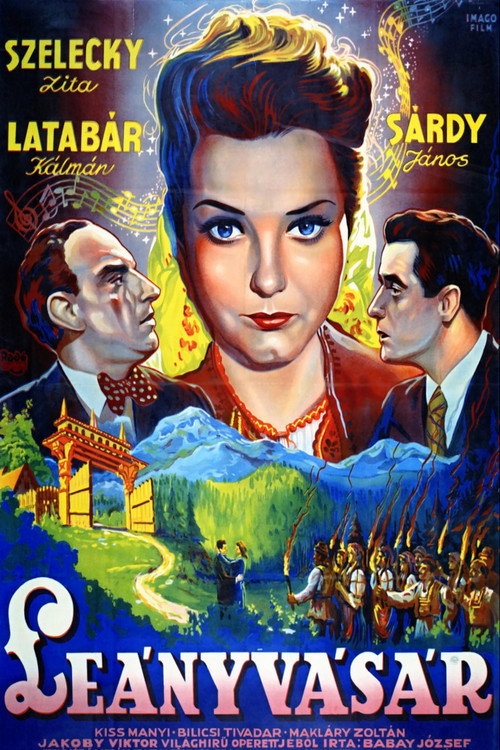
Leányvásár 1941
Leányvásár (1941) stands as a captivating relic of early 1940s Hungarian cinema, offering a glimpse into a bygone era of storytelling and cultural expression.
Frequently Asked Questions
What is Leányvásár (1941) about?
Leányvásár (1941) is a Hungarian film set in the early 20th century, centering on the themes of love and marriage. The story revolves around a local tradition where eligible young women are presented for consideration, creating a backdrop for romantic entanglements and societal pressures. While the exact plot details are unknown, the film likely explores the choices between duty and personal happiness.
Who directed Leányvásár?
Director information for Leányvásár (1941) is not available.
Who stars in Leányvásár?
The main cast details for Leányvásár (1941) are not listed.
Is Leányvásár (1941) worth watching?
As a classic Hungarian film from 1941, Leányvásár offers a window into early cinema and cultural traditions. While its unrated status on IMDb leaves its reception open to interpretation, its historical significance and romantic themes make it an interesting watch for fans of vintage films or Hungarian cinema enthusiasts.
How long is Leányvásár?
Runtime details for Leányvásár (1941) are not listed.
About Leányvásár (1941) — Exploring Hungary's Classic Romantic Drama
Leányvásár (1941) stands as a captivating relic of early 1940s Hungarian cinema, offering a glimpse into a bygone era of storytelling and cultural expression. Directed by an uncredited filmmaker, this film belongs to a time when cinema was evolving rapidly, blending romantic charm with lighthearted drama. While its exact genre remains unspecified, its title—translating to "Bride Market"—hints at a narrative centered around love, marriage, and societal expectations. The atmosphere is likely one of warmth and nostalgia, with a touch of whimsy as characters navigate the complexities of courtship and tradition. Set against a backdrop of early 20th-century Hungary, the film may explore themes of duty versus desire, showcasing the tension between personal happiness and societal norms.
Though details about the cast and runtime are scarce, Leányvásár (1941) remains an intriguing entry in film history for its cultural significance and the era it represents. Audiences drawn to vintage cinema or those curious about Hungarian filmmaking will find it a compelling watch. The film's charm lies in its ability to transport viewers to a time when storytelling was both a personal and communal experience, making it a worthy addition to any classic movie collection.