紅顏鼓笛隊 1945
Dive into the historical drama 紅顏鼓笛隊 (1945), a 70-minute wartime Japanese film directed by Keigo Kimura. Set against the backdrop of mid-20th century Japan, this poignant tale explores themes of resilience, sacrifice, and the human spirit amidst societal upheaval.
Director: Keigo Kimura
Cast

Frequently Asked Questions
What is 紅顏鼓笛隊 (1945) about?
This 1945 Japanese drama centers on a group of women whose lives intersect with a drum and flute ensemble during a turbulent historical period. Their personal struggles unfold against the collective effort to preserve hope and community in challenging times.
Who directed 紅顏鼓笛隊?
The film was directed by Keigo Kimura, a filmmaker known for his contributions to mid-century Japanese cinema.
Who stars in 紅顏鼓笛隊?
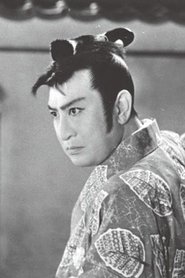
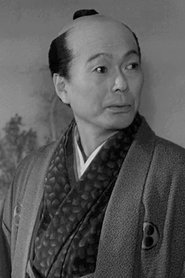
The film features a talented cast including Utaemon Ichikawa, Mitsusaburō Ramon, Ryōko Ehara, Kenji Susukida, and Isamu Yamaguchi.
Is 紅顏鼓笛隊 (1945) worth watching?
Although unrated and from a lesser-known era, 紅顏鼓笛隊 offers a compelling blend of historical drama and human storytelling. Its 70-minute runtime makes it an accessible watch for fans of classic Japanese cinema seeking authenticity and emotional depth.
How long is 紅顏鼓笛隊?
The movie has a runtime of 70 minutes.
紅顏鼓笛隊 (1945): Wartime Drama & Historical Insights — Full Movie Info
Dive into the historical drama 紅顏鼓笛隊 (1945), a 70-minute wartime Japanese film directed by Keigo Kimura. Set against the backdrop of mid-20th century Japan, this poignant tale explores themes of resilience, sacrifice, and the human spirit amidst societal upheaval.
The story follows a group of women navigating personal and communal challenges, their lives interwoven with the rhythms of a drum and flute ensemble that becomes a symbol of hope and unity. Kimura's direction crafts an atmosphere of quiet intensity, blending historical context with intimate character studies. While the film's genre remains unconfirmed, its dramatic tone and historical setting invite comparisons to classics of the era. Starring Utaemon Ichikawa and Mitsusaburō Ramon, 紅顏鼓笛隊 offers a glimpse into a pivotal moment in Japanese cinema, where storytelling meets the unyielding backdrop of war.