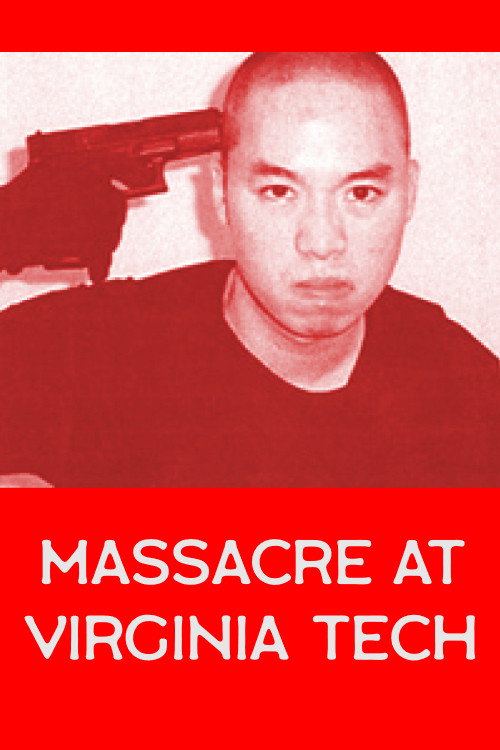
Massacre at Virginia Tech 2008
One year after the tragic April 16, 2007 shooting at Virginia Tech, the harrowing documentary *Massacre at Virginia Tech (2008)* examines the life and motives of Seung-Hui Cho, the gunman responsible for the deadliest school shooting in U.S. history.
Director: Jonathan Hacker
Cast
Frequently Asked Questions
What is Massacre at Virginia Tech (2008) about?
*Massacre at Virginia Tech (2008)* delves into the events surrounding the 2007 Virginia Tech shooting, exploring the life of Seung-Hui Cho and the circumstances that led to the attack. The documentary examines the shooter's background, his interactions with others, and the missed opportunities to intervene before the tragedy unfolded.
Who directed Massacre at Virginia Tech?
The film was directed by Jonathan Hacker, a filmmaker known for documentary work that tackles sensitive and socially relevant topics.
Who stars in Massacre at Virginia Tech?
Key figures featured include Kim Hyang-Sik, Lucinda Roy, and law enforcement expert Roger L. Depue, alongside perspectives from those who knew Cho.
Is Massacre at Virginia Tech (2008) worth watching?
As an unrated documentary, *Massacre at Virginia Tech (2008)* offers a raw and essential perspective on a pivotal moment in American history. While deeply unsettling, it provides valuable context for understanding mass shootings and the systems meant to prevent them. The film's serious tone and historical significance make it a compelling watch for those interested in true crime or social issues.
How long is Massacre at Virginia Tech?
The documentary runs for 59 minutes.
About Massacre at Virginia Tech (2008) — The Untold Story Behind America's Deadliest School Shooting
One year after the tragic April 16, 2007 shooting at Virginia Tech, the harrowing documentary *Massacre at Virginia Tech (2008)* examines the life and motives of Seung-Hui Cho, the gunman responsible for the deadliest school shooting in U.S. history. Helmed by director Jonathan Hacker, the film pieces together the psychological and social factors that led to the devastating attack, which claimed 32 lives. Through interviews with law enforcement, survivors, and those who knew Cho—including Kim Hyang-Sik and Lucinda Roy—viewers gain insight into the fragile boundary between isolation and violence.
The atmosphere is tense and reflective, blending raw survivor testimonies with an unflinching look at the systemic gaps that allowed Cho's behavior to go unchecked. As the documentary traces the events leading to the tragedy, it also serves as a sobering reflection on mental health, gun violence, and the ripple effects of tragedy on a community. *Massacre at Virginia Tech (2008)* is a poignant but necessary exploration of an event that reshaped campus safety forever.