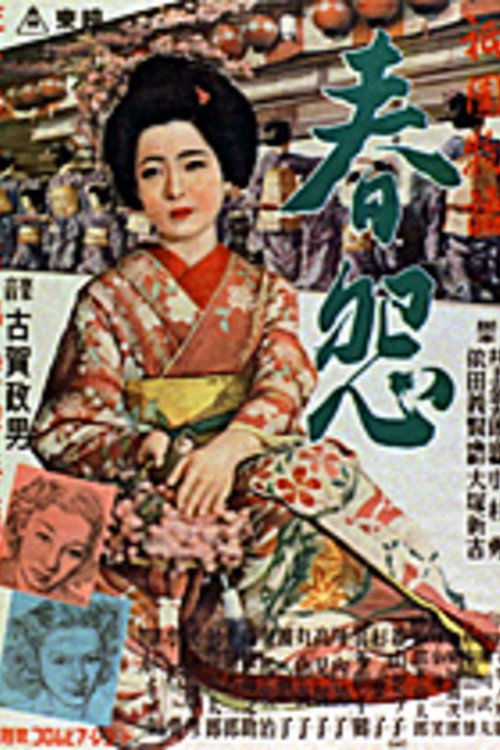
祇園物語 春怨 1951
Set against the lantern-lit alleys of post-war Kyoto, *祇園物語 春怨* (1951) weaves a poignant tale of familial bonds and fleeting beauty.
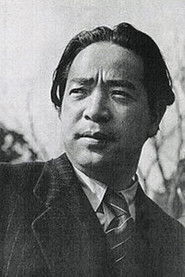
Director: Isamu Kosugi
Cast

Frequently Asked Questions
What is 祇園物語 春怨 (1951) about?
This 1951 drama follows three half-sisters whose lives intertwine during Kyoto's Gion Festival. Each sister grapples with love, duty, and the fleeting nature of youth, set against the backdrop of traditional maiko culture and a city in transition.
Who directed 祇園物語 春怨?
The film was directed by Isamu Kosugi, a prominent figure in early Japanese cinema known for his ability to blend emotional depth with cultural storytelling.
Who stars in 祇園物語 春怨?
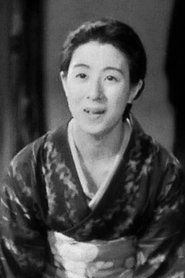
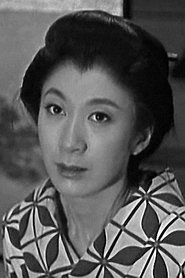
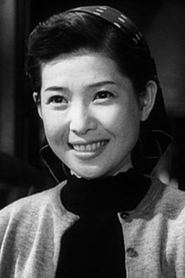
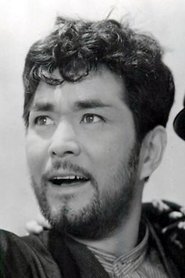
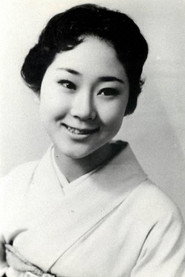
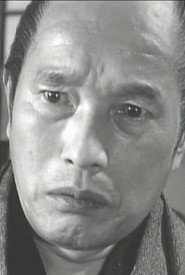
The cast features Isamu Kosugi, Yoshiko Tsubouchi, Chizuru Kitagawa, Yōko Sugi, and Setsuko Wakayama in leading roles.
Is 祇園物語 春怨 (1951) worth watching?
If you appreciate emotionally resonant period dramas with rich cultural detail, *祇園物語 春怨* is a hidden gem. While its IMDb rating is unlisted, its themes of family, tradition, and impermanence make it a compelling watch for fans of classic Japanese cinema.
How long is 祇園物語 春怨?
The film runs for 86 minutes (1 hour and 26 minutes).
About 祇園物語 春怨 (1951) — A Heartfelt Tale of Sisters and Spring in Kyoto
Set against the lantern-lit alleys of post-war Kyoto, *祇園物語 春怨* (1951) weaves a poignant tale of familial bonds and fleeting beauty. Directed by Isamu Kosugi, this evocative drama unfolds during the vibrant Gion Festival, where three half-sisters—each at a different stage of life—navigate love, loss, and longing in the world of maiko (apprentice geisha). As cherry blossoms drift through the city's traditional streets, the sisters' emotional journey mirrors the ephemeral nature of their surroundings, culminating in a story rich with cultural elegance and heartache. With its lush cinematography and emotionally charged performances, the film captures the bittersweet essence of springtime in Gion, where every glance and gesture carries layers of unspoken history.
Isamu Kosugi crafts a visually stunning portrait of post-war Japan, blending the melancholy of changing traditions with the resilience of its people. The cast, led by Yoshiko Tsubouchi, Chizuru Kitagawa, and Yōko Sugi, brings depth to their roles, portraying characters whose bonds are tested by societal expectations and personal sacrifices. The film's atmospheric storytelling and rich symbolism make it a standout of early 1950s Japanese cinema, offering a window into a world where beauty and sorrow intertwine seamlessly.