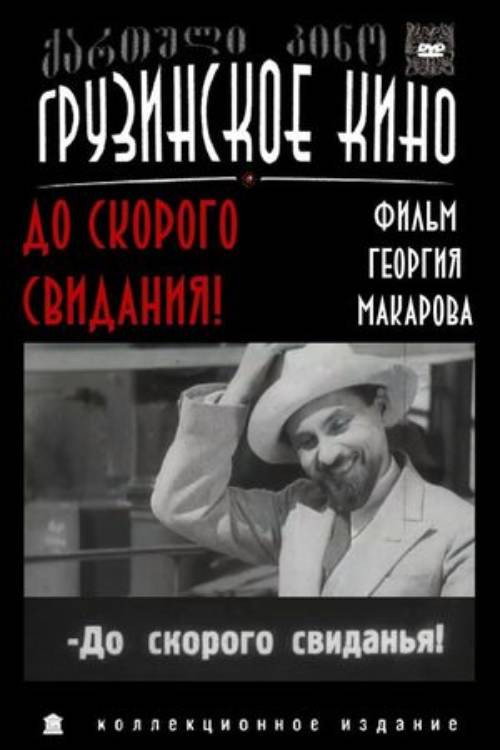
Farewell 1935
Set during the turbulent years of 1905-07, *Farewell (1935)* directed by Giorgi Makarov blends sharp humor with the raw energy of pre-revolutionary Georgia.
Director: Giorgi Makarov
Cast

Frequently Asked Questions
What is Farewell (1935) about?
*Farewell* follows a revolutionary who escapes Metekhi prison during a period of intense political unrest. His journey intertwines with the escalating conflict between two brothers who can barely tolerate each other, blending sharp satire with the high stakes of a society on the brink of change.
Who directed Farewell?
Giorgi Makarov directed *Farewell*, bringing a distinctive comedic touch to the revolutionary drama unfolding in early 20th-century Georgia.
Who stars in Farewell?
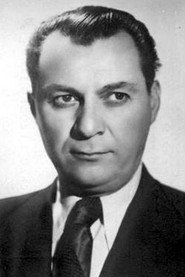
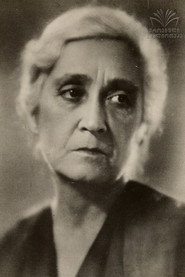
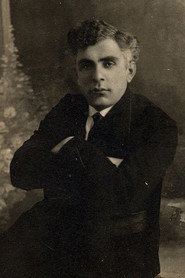
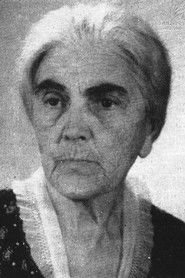
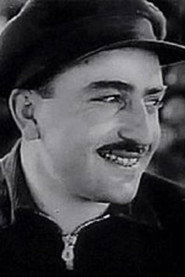
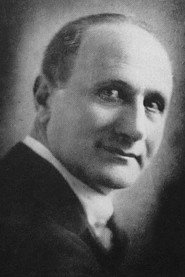
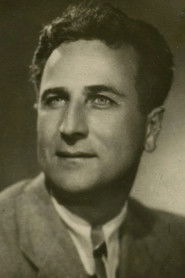
The film features Mikheil Gelovani, Nutsa Chkheidze, Kirile Macharadze, Tsatsa Amirejibi, and Levan Khotivari in pivotal roles.
Is Farewell (1935) worth watching?
With its blend of comedy and political tension, *Farewell* offers a unique window into Georgian cinema of the 1930s. While not widely rated today, its historical and thematic richness makes it a compelling watch for fans of early film and revolutionary narratives.
How long is Farewell?
The runtime of *Farewell* is 77 minutes.
About Farewell (1935) — A Georgian Comedy of Revolution and Family Feuds
Set during the turbulent years of 1905-07, *Farewell (1935)* directed by Giorgi Makarov blends sharp humor with the raw energy of pre-revolutionary Georgia. The story unfolds around a fiery revolutionary who escapes from the infamous Metekhi prison, only to stumble into the bitter rivalry between two estranged brothers. Makarov crafts a comedy steeped in social tension, where political upheaval and personal grudges collide under a sun-drenched yet politically charged atmosphere. The film's wit and energy make it a fascinating snapshot of Georgian cinema in the 1930s, balancing satire with the urgency of its era.
Starring Mikheil Gelovani, Nutsa Chkheidze, and Kirile Macharadze, *Farewell* delivers performances that bring both charm and edge to the screen. The absurdity of the brothers' feud contrasts with the gravity of the revolutionary's struggle, creating a unique tone that feels both timeless and deeply rooted in its historical moment.