
道是无情胜有情 1983
Director Wei Lian crafts a poignant war drama in 道是无情胜有情 (1983), a film that explores the tension between duty and humanity during a brutal conflict.
Director: 韦廉
Cast


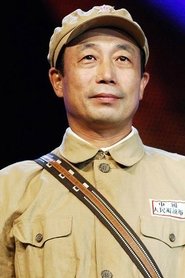
Frequently Asked Questions
What is 道是无情胜有情 (1983) about?
This 1983 war drama follows soldiers and civilians navigating the brutal realities of conflict, where duty clashes with personal bonds. The film examines how war forges unexpected connections and forces impossible sacrifices, leaving lasting emotional scars.
Who directed 道是无情胜有情?
The film was directed by 韦廉, a filmmaker known for his evocative storytelling in dramatic and war-themed cinema.
Who stars in 道是无情胜有情?
The cast includes Zhu Shimao, Yang Tongshun, Cuimin Niu, Niu Qian, and Sun Haiying, who bring depth to their characters in this wartime narrative.
Is 道是无情胜有情 (1983) worth watching?
While lacking an IMDb rating, the film's war-drama genre and themes of sacrifice and human connection make it a compelling choice for fans of reflective, character-driven cinema. Its emotional weight and authentic atmosphere deliver a memorable viewing experience.
How long is 道是无情胜有情?
Runtime details are not listed for this 1983 film.
道是无情胜有情 (1983): A War Drama of Sacrifice and Humanity — Full Movie Info
Director Wei Lian crafts a poignant war drama in 道是无情胜有情 (1983), a film that explores the tension between duty and humanity during a brutal conflict. Set against the backdrop of war-torn landscapes, the story follows the intertwining lives of soldiers and civilians caught in the chaos, where every decision carries weight and consequences are inevitable. Zhu Shimao delivers a standout performance as a soldier grappling with moral dilemmas, while Yang Tongshun and Cuimin Niu portray figures navigating love and loss in impossible circumstances. The film's somber tone and stark realism immerse viewers, blending the harsh realities of war with moments of fleeting tenderness.
At its heart, 道是无情胜有情 (1983) is a meditation on sacrifice and the blurred lines between heroism and heartbreak. The title itself—a Chinese proverb meaning 'coldness seems like warmth'—reflects the film's central theme: the paradox of human connection amid destruction. The drama's unflinching portrayal of war's emotional toll lingers long after the credits roll, making it a compelling watch for fans of reflective, character-driven war stories. Whether you seek raw emotional depth or a period piece steeped in authenticity, this 1983 classic offers a haunting experience.